Bonn Summit
16 – 18 September 2026
Marion Ackermann
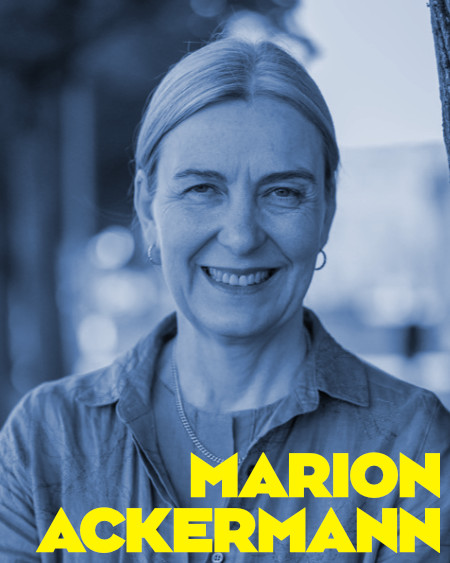
President, Prussian Cultural Heritage Foundation (GER)
Marion Ackermann is an internationally renowned art historian and museum director. As President, she heads the Prussian Cultural Heritage Foundation, overseeing its strategic direction and day-to-day operations. Marion Ackermann studied art history, German studies, and history in Göttingen, Kassel, Vienna, and Munich. She received her doctorate from the University of Göttingen in 1995 with a dissertation on the autobiographical and theoretical writings of Wassily Kandinsky. In 2003, she assumed the directorship of the Kunstmuseum Stuttgart. From 2009, she led the Kunstsammlung Nordrhein-Westfalen in Düsseldorf. From 2016 to 2025, she served as Director General of the Dresden State Art Collections, a network comprising 15 museums and four institutes that attracts over two million visitors annually.
Christina Beinhoff
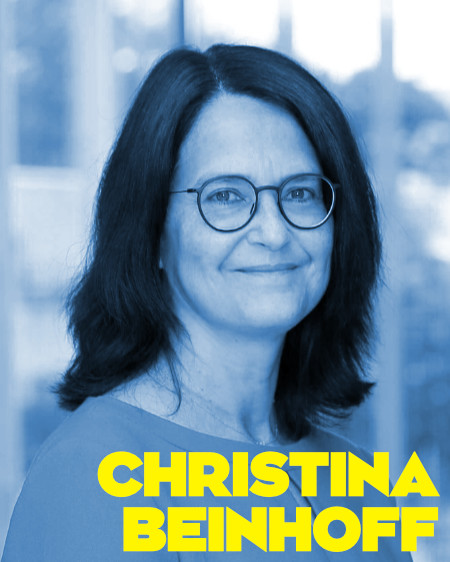
Head of the Cultural Division, Federal Foreign Office (GER)
Christina Beinhoff has served as Head of the Division for Culture and Society at the Federal Foreign Office since August 2025. After studying law, she initially worked at the Federal Ministry for Economic Cooperation and Development before joining the Federal Foreign Office in 1999. Her diplomatic career took her to postings in cities including New York, Seoul, and Paris. She subsequently held various positions at the Federal Foreign Office, the Federal Ministry of Defence, and the Federal Chancellery—most recently serving as the Acting Foreign and Security Policy Advisor to the Federal Chancellor. From April 2022 to August 2025, she and her husband served as Ambassadors of the Federal Republic of Germany to the Kingdom of Sweden. Ms. Beinhoff is married and has two children.
Omri Boehm
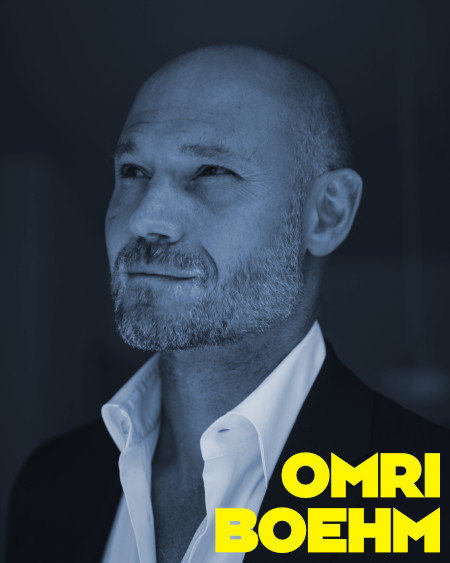
Associate Professor of Philosophy, The New School New York (US)
Professor Omri Boehm is the Chair of the Department of Philosophy at The New School in New York. Focusing on the work of Immanuel Kant, Early Modern Philosophy, Political Philosophy and the Philosophy of Religion. He received the 2024 Leipzig Book Award for European Understanding for his book Radikaler Universalismus.
Ferenc Czinki
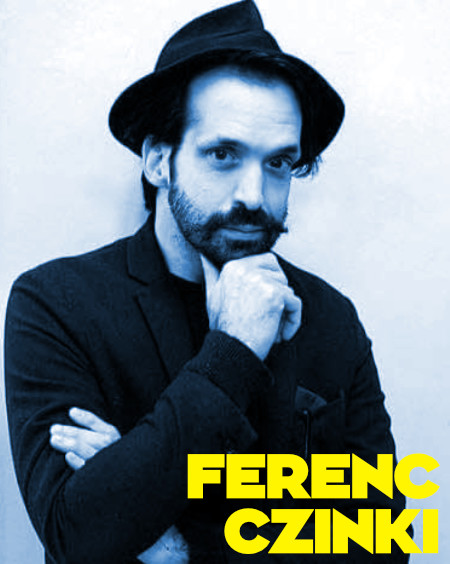
Author, Society of Hungarian Authors (HU)
Jara Díaz Alberola
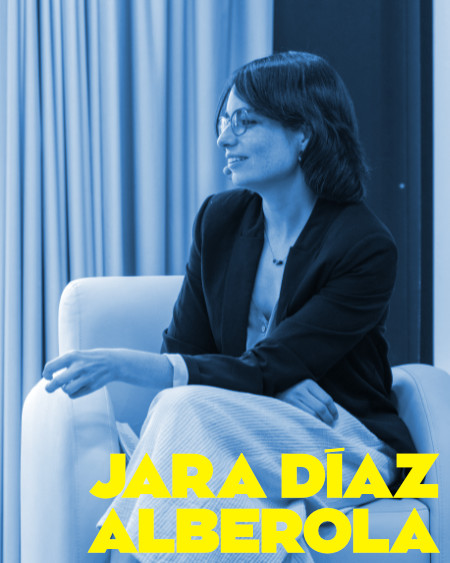
Círculo de Bellas Artes de Madrid (ES)
Jara Díaz Alberola is International Projects Coordinator at Círculo de Bellas Artes – Casa Europa (Madrid, Spain), where she manages European initiatives, oversees transnational activities, and fosters new international collaborations. With over fifteen years of experience in cultural management, her work builds cross-border partnerships that position culture as an active agent in addressing shared European challenges. She holds a degree in Art History from the Universidad Autónoma de Madrid and a Master's in Museum Studies from the University of Leicester, UK.
Matej Drlička
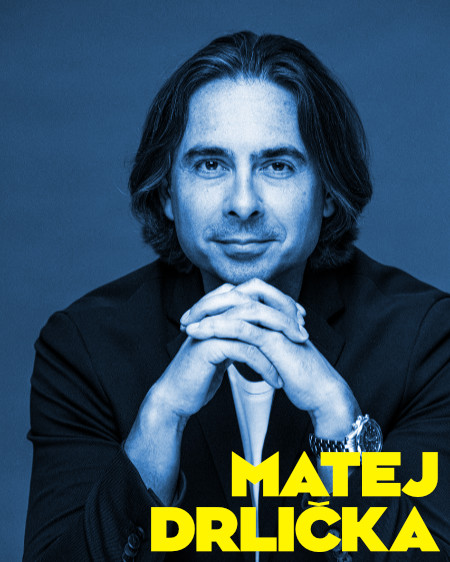
Open Culture! Bratislava (SK)
Matej Drlička is a musician, cultural manager, and civic activist whose career bridges the worlds of the arts, cultural management, large-scale event production, and civic engagement. He studied clarinet performance in Pittsburgh (USA), Nice (France), and Bratislava (Slovakia). After concluding his successful performing career, he embarked on an equally remarkable path in cultural and event management. In 2005, he founded the Viva Musica! Festival, which has grown into Slovakia’s largest and most attended summer classical music festival. From 2021 to 2024, he served as General Director of the Slovak National Theatre, where his leadership was distinguished by ambitious artistic programming and initiatives aimed at modernizing the institution. In recognition of his outstanding contributions to culture and the arts, he was awarded the title of Knight of the Order of Arts and Letters (Chevalier de l’Ordre des Arts et des Lettres) by French Minister of Culture 2024.
Patricia Espinosa
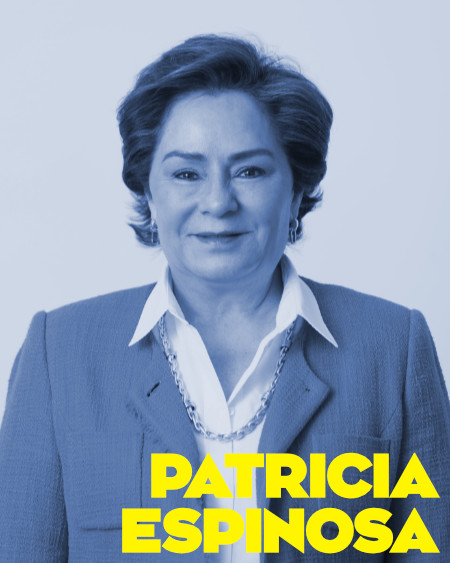
Former Ambassador (MX)
For over 40 years, Ambassador Patricia Espinosa has worked successfully in the fields of diplomacy, international relations, and sustainable development. Her experience in national and international forums has enabled her to contribute to numerous projects with regional or global impact, particularly in areas related to sustainability, green growth, multilateralism, environmental protection, gender equity, and human rights.
A snapshot of her previous experience: Founding Partner and CEO onepoint5, Executive Secretary of the United Nations Framework Convention on Climate Change, Ambassador of Mexico to Germany, Mexico’s Secretary of Foreign Affairs, Ambassador of Mexico to Austria, Slovakia, Slovenia and the UN Organizations in Vienna. Patricia has also received multiple international awards and decorations.
Barbara Gessler
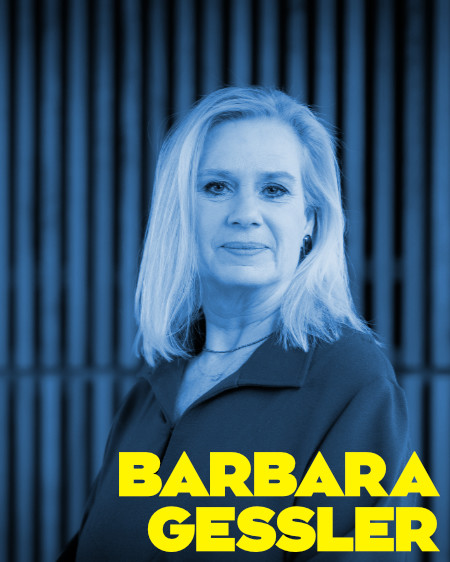
Representative of the European Commission in Germany (GER)
Georg Häusler
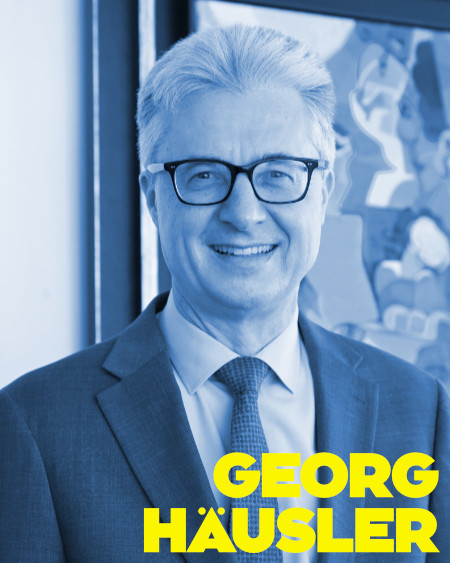
Director for Culture, Creativity and Sport in the European Commission (BE)
Georg Häusler is currently the Director for Culture, Creativity and Sport in the European Commission (DG EAC). Prior to that, he was Director in another Commission department for seven years. He joined the Commission in 1999 and has had several senior posts including as Head of Cabinet of Commissioner Dacian Ciolos, from 2009 to 2014. Before he began his Commission career, he was Secretary General of an EU-wide NGO. He studied law.
Markus Hilgert
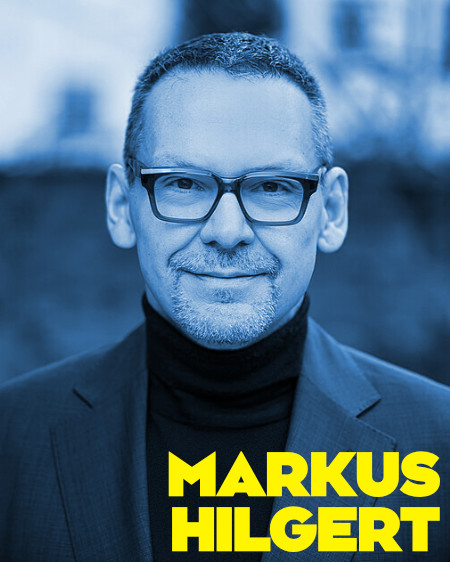
President, Berlin University of the Arts (UdK) and the Kulturpolitische Gesellschaft e.V. (GER)
Prof. Dr. Markus Hilgert has served as President of the Berlin University of the Arts (UdK Berlin) and as the new President of the *Kulturpolitische Gesellschaft* (Society for Cultural Policy) since 2025. From 2018 to 2025, he was Executive Board Member and Secretary General of the *Kulturstiftung der Länder* (Cultural Foundation of the Federal States). From 2014 to 2018, he served as Director of the Museum of the Ancient Near East at the Pergamon Museum (part of the National Museums in Berlin – Prussian Cultural Heritage Foundation). From 2007 to 2014, Hilgert held the Chair of Ancient Near Eastern Studies at Heidelberg University. He has also served as an honorary professor at Heidelberg University (since 2014), the University of Marburg (since 2015), and Freie Universität Berlin (since 2017). Hilgert has long been active in a voluntary capacity in the fields of academia and culture—for instance, serving as a board member of the German Commission for UNESCO since 2018.
Anna-Katharina Hornidge
Director, German Institute of Development and Sustainability (GER)
Gregory Houston
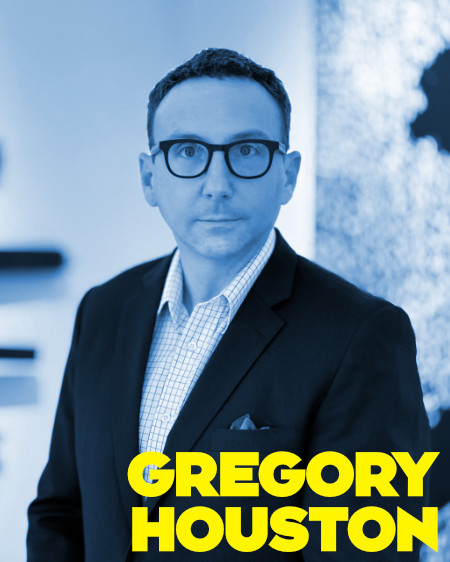
President and CEO, International Arts and Artists (US)
Greg Houston is President and CEO of International Arts & Artists, a global nonprofit advancing cross-cultural understanding through traveling exhibitions, cultural exchange, and convening. A frequent writer and speaker on museum diplomacy, he convened arts leaders, philanthropists, and Members of Congress at the Sunnylands Estate in 2025 with support from the Ford Foundation. That gathering led to the formation of the Consortium for Art and Culture in America, which strengthens public-private coordination on cultural diplomacy by supporting Congressional caucuses focused on public diplomacy and cultural affairs policy. He previously held senior roles at the Woodrow Wilson International Center for Scholars, Meridian International Center, and the U.S. Pavilion at Expo 2020 Dubai.
Siri Hummel
![[Translate to English:] Portrait photography of Siri Hummel.](/fileadmin/user_upload/Veranstaltungen/Bonn_Summit/Speaker/_Hummel_450px.jpg)
Direktorin, Maecenata Institut für Philanthropie und Zivilgesellschaft (DE)
Dr. Siri Hummel is the Director of the Maecenata Institute for Philanthropy and Civil Society and is a political and communication scientist. Her research focuses on democracy and civil society, as well as gender equality within civil society and foundation research. She also serves as a lecturer in the Nonprofit Management and Public Governance program at the Berlin School of Economics and Law. Prior to joining Maecenata, Siri was a research associate at the Alfried Krupp Institute for Advanced Study in Greifswald from 2011 to 2017. She received her doctorate from the University of Greifswald in 2018 with a thesis on the promotion of democracy by foundations.
Dominika Kasprowicz
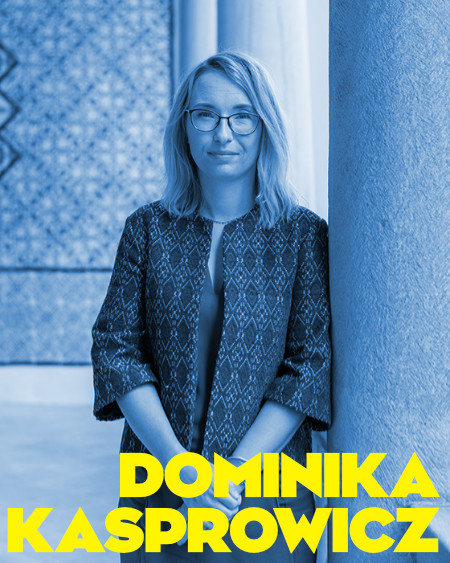
Director of Villa Decius (PL)
Prof. Dominika Kasprowicz is Director of Villa Decius in Kraków, a multidisciplinary cultural institution with a strong European reach, and Associate Professor at the Jagiellonian University. A political scientist, cultural manager, expert and public policy adviser, she works at the intersection of culture, political communication and international cooperation.
She has served as an expert and adviser to the Chancellery of the Prime Minister of Poland and to government ministries, contributing her expertise to public policy and strategic initiatives in the fields of culture and social resilience.
She is a member of the Board of ICORN, the International Cities of Refuge Network, a global organisation dedicated to protecting writers, artists and human rights defenders at risk. Her current work focuses on the role of culture in strengthening democratic resilience and on developing a “critical infrastructure of empathy” across Europe.
For her contribution to Polish culture, she was awarded the honorary distinction “Meritorious for Polish Culture” by the Minister of Culture and National Heritage.
Albrecht Koschorke
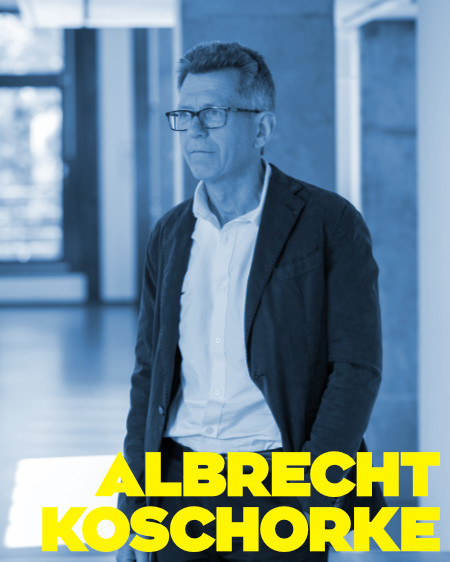
Professor for Literary Studies, University of Konstanz (GER)
Albrecht Koschorke is Professor of German Literature and Comparative Literature at the University of Konstanz and Extraordinary Professor at the University of Pretoria. Since 2024, he has headed the Research Training Group "Europe after Eurocentrism." A key focus of his work is the analysis of political narratives. His book publications include *Hegel und wir* (Suhrkamp, 2015) and *Hitlers Mein Kampf: Zur Poetik des Nationalsozialismus* (Matthes & Seitz, 2016). In 2026, his study *Souveränität der Vernunft: Die kulturellen Anfänge des Liberalismus* was published by Suhrkamp.
Eva Kraus
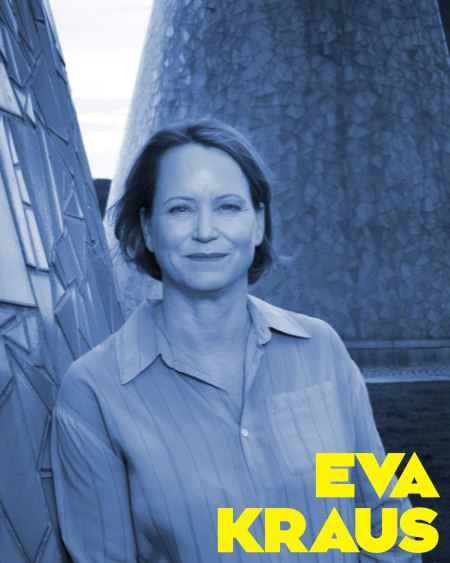
Director, Bundeskunsthalle
Eva Kraus works as a cultural manager and curator. Her professional projects in art and culture are consistently accompanied by lecture series or panel discussions.
She has served as Director of the Bundeskunsthalle in Bonn since 2020. Her internationally oriented program is characterized not only by multidisciplinary approaches to cultural history but also, in particular, by pressing social issues—ranging from democracy to ecological and social sustainability. At the Bundeskunsthalle, she established the "Studio Bonn" discussion series as well as an exhibition series highlighting influential women in the arts and humanities. For several years, she has focused intensively on the topics of transformation and change management.
Silke Krummel
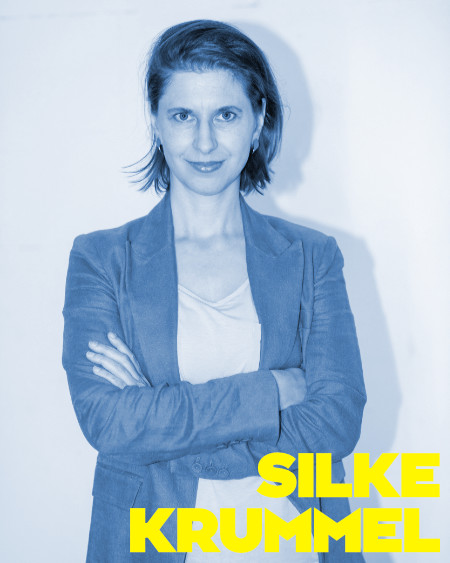
CEO, Agency for International Museum Cooperation (GER)
Silke Krummel is the Director of the Agency for International Museum Cooperation. The Museum Agency was established by the German Federal Government approximately three years ago as a non-profit limited liability company (gGmbH), owned by the Federal Republic of Germany. Its sole shareholder is the Federal Republic of Germany, represented by the Federal Foreign Office. The Museum Agency connects ideas, people, and museums. As a cultural manager and expert in organisational development, Silke focuses on supporting complex intercultural and transformative projects. With extensive professional and academic experience spanning Europe and Asia, she has held senior roles at internationally renowned organisations, including KUNST-WERKE BERLIN e. V. and the German Academic Scholarship Foundation.
Kathrin Kühn
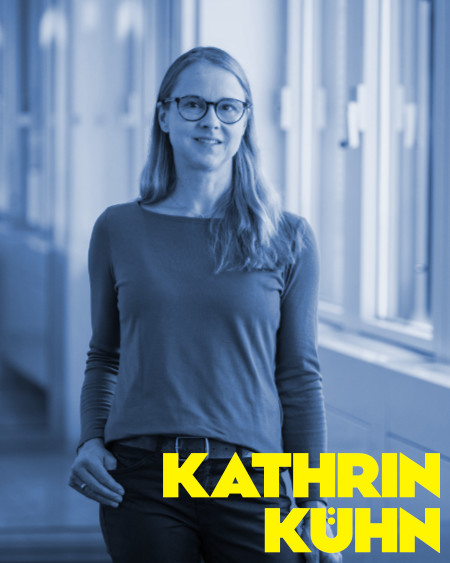
Science Editor, Deutschlandfunk (GER)
Dr. Kathrin Kühn is an editor in the science department at Deutschlandfunk. She studied journalism and worked on an EU research project regarding the European public sphere at TU Dortmund University, where she also earned her doctorate with a thesis on format development. Prior to joining Deutschlandfunk, she worked as a cross-media managing editor in the WDR newsroom.
Elizabeth Larison
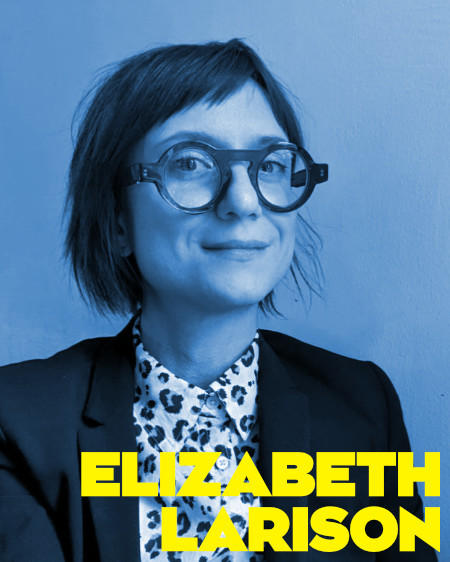
Director of the Arts & Culture Advocacy Program, National Coalition Against Censorship (US)
Elizabeth Larison is Director of the Arts & Culture Advocacy at the National Coalition Against Censorship, where she oversees art censorship case interventions and fieldwide advocacy leadership, working to strengthen artistic freedom across the United States. Larison's writing on artistic freedom has been featured in The Art Newspaper, Full Bleed, and Secretary to the People: Civic Engagement through the Art of Sheryl Oring (Intellect Books, expected 2027), and she is co-editor of Not Going It Alone: Collective Curatorial Curating (apexart, 2024). Larison has worked in curatorial or directorial capacities for organizations including A.I.R. Gallery, apexart, Flux Factory, and The Park Avenue Armory, and she holds academic degrees in Human Rights (BA, Bard College) and Curatorial Studies (MA, Center for Curatorial Studies at Bard College).
Jörg Lau
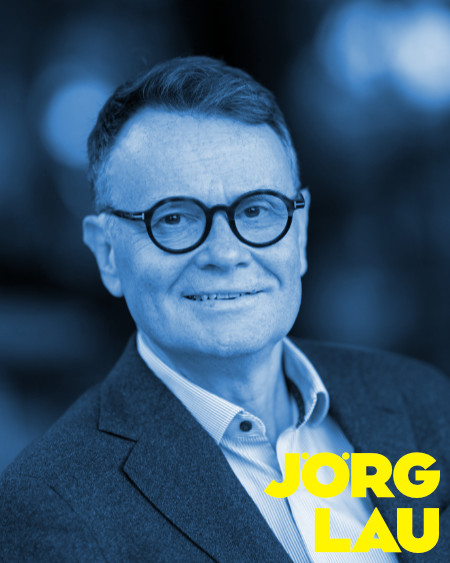
Journalist, ZEIT (GER)
Jörg Lau has worked for *Die Zeit* since 1997; since 2008, he has written primarily about foreign policy. He served as head of the foreign affairs desk from 2013 to 2021 and has since worked as an international correspondent based in Berlin. His most recent publications include *Worte, die die Welt beherrschen: Was die Phrasen der Außenpolitik wirklich bedeuten* (2025) and *Der Westen sind jetzt wir: Von unzuverlässigen Freunden und entschlossenen Gegnern – Deutschlands neue Verantwortung* (2026).
Claus Leggewie
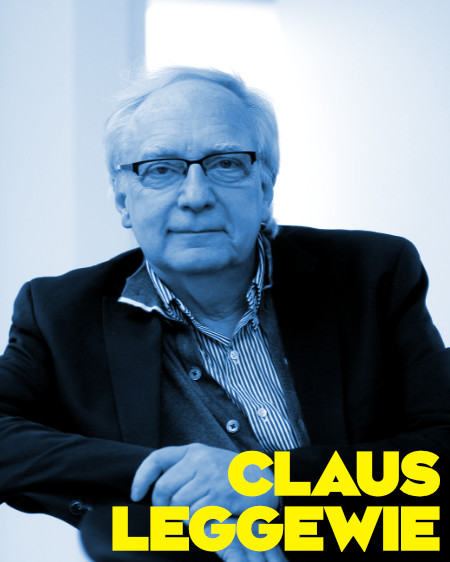
Professor of Political Science, University of Giessen (GER)
Claus Leggewie is Professor Emeritus of Political Science at Justus Liebig University Giessen, holder of the Ludwig Börne Senior Professorship until 2025, and head of the Panel on Planetary Thinking.
Sven Lehmann
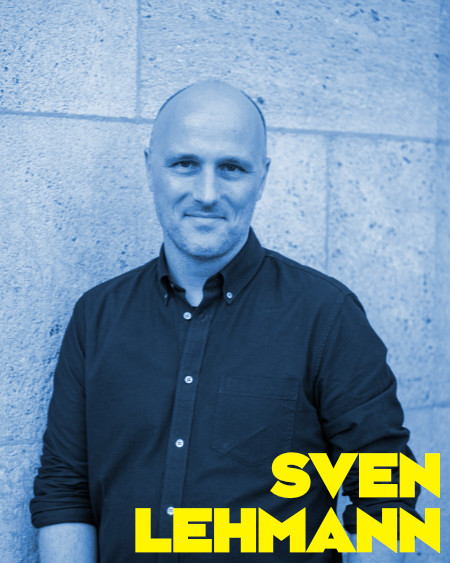
Chair of the Committee on Cultural and Media Affairs, German Bundestag (GER)
Sven Lehmann is Chair of the Committee on Culture and Media in the German Bundestag. He is the directly elected Member of Parliament for southwest Cologne and works towards a diverse cultural landscape, a socially just society, and a strong democracy.
Christiane Lötsch
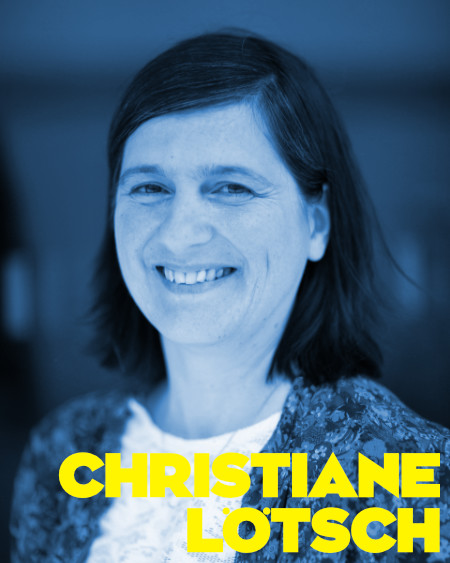
European Alliance of Academies (DE)
Christiane Lötsch is a cultural manager working at the intersection of arts, culture, cultural politics and civil society. After coordinating European initiatives such as A Soul for Europe or Cafébabel, she is currently working at Akademie der Künste Berlin, where she is head of project of the European Alliance of Academies, a network of more than 70 art academies and cultural institutions, advocating for the freedom of the arts in Europe.
Oleksandra Matviichuk
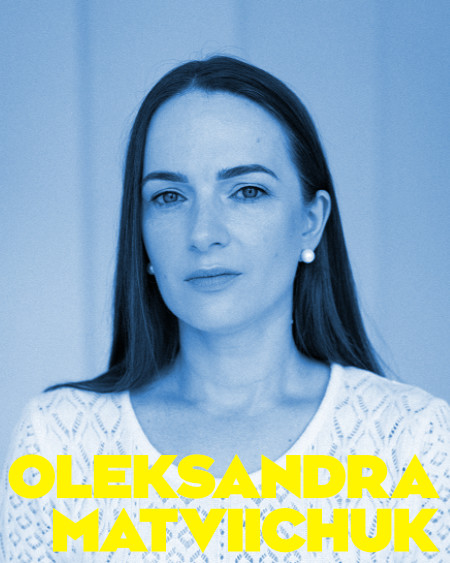
Head of the Nobel Peace Prize winning Center for Civil Liberties, Kyiv (UA)
Oleksandra Matviichuk is a human rights lawyer, head of the Center for Civil Liberties that works to defend freedom and human dignity in Ukraine and the OSCE region. She has experience in creating horizontal structures for massive involvement of people in human rights activities against attacks on rights and freedoms, as well as a multi-year practice of documenting violations during armed conflict. She is the author of a number of reports to various UN bodies, the Council of Europe, the European Union, the OSCE and the International Criminal Court. After the beginning of Russian full-scale invasion, Matviichuk together with other partners created the ‘Tribunal for Putin’ initiative in order to document international crimes under the Rome Statute of the International Criminal Court in all regions of Ukraine, including the occupied territories. In 2016 she received the Democracy Defender Award for "Exclusive Contribution to Promoting Democracy and Human Rights" from OSCE. In 2017 she became the first woman to participate in the Ukrainian Emerging Leaders Program of Stanford University. In 2022 Oleksandra Matviichuk was awarded with the Right Livelihood Award, the Sakharov Prize from the European Parliament and recognized as one of the 25th influential women in the world by Financial Times. In 2022 she received the Nobel Peace Prize for the work of her organization the Center for Civil Liberties. In 2025 she received the Dutch Auschwitz Award. In 2026, she was named a Honourable Member of European Order of Merit by European Parliament, an honor recognizing her significant contribution to European integration and the protection of European values.
Elisabeth Mayerhofer
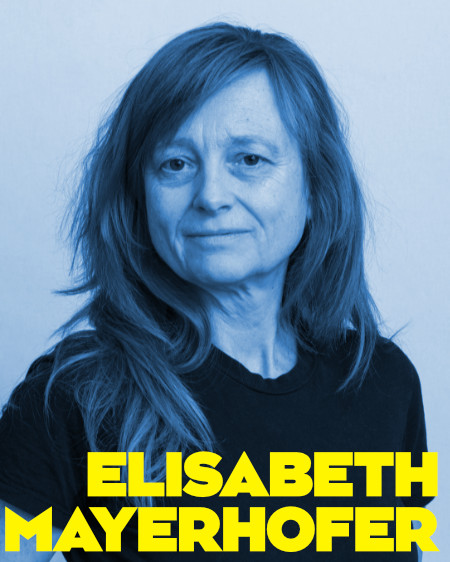
Culture and Science, City of Vienna (AT)
Elisabeth Mayerhofer studied German Philology, French, Spanish, and International Cultural Management. Since 2014, she has served as a cultural policy advisor in the office of the Vienna City Councillor for Culture, Science, and Sport, and since 2018, as Chief of Staff to Vienna’s City Councillor for Culture, Veronica Kaup-Hasler. Previously, she was Managing Director of IG Kultur Österreich, a staff member at the University of Music and Performing Arts Vienna, and a board member of FOKUS (Research Society for Cultural Economics and Cultural Policy Studies).
Marlen Meißner
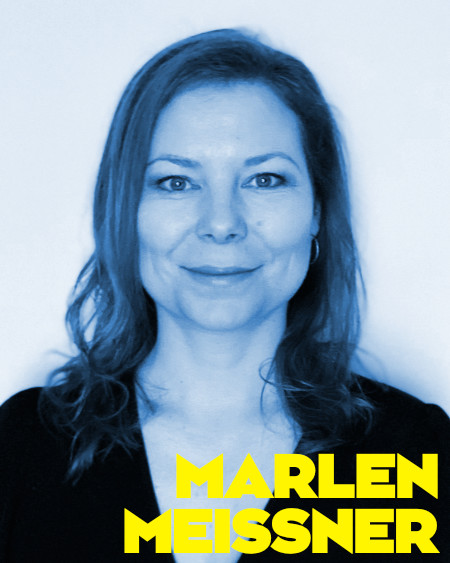
Head of Heritage, Nature, and Society Department, German Commission for UNESCO (GER)
Marlen Meißner heads the ‘Heritage, Nature, Society’ department at the German Commission for UNESCO. Together with her teams, she oversees the implementation of ten UNESCO programmes and conventions in Germany. In addition to UNESCO World Heritage sites, this portfolio encompasses communities associated with intangible cultural heritage, institutions linked to the Memory of the World programme, UNESCO Global Geoparks, biosphere reserves, UNESCO Chairs, UNESCO Associated Schools, UNESCO Creative Cities, and stakeholders in Education for Sustainable Development.
After completing her studies in Cultural Studies and English, as well as in instrumental and vocal pedagogy, she coordinated international research projects on cultural heritage and sustainability at the UNESCO Chair in Heritage Studies at Brandenburg University of Technology. Her doctoral thesis analyzed the potential of intangible cultural heritage to foster sustainable development.
Mikaël Mohamed
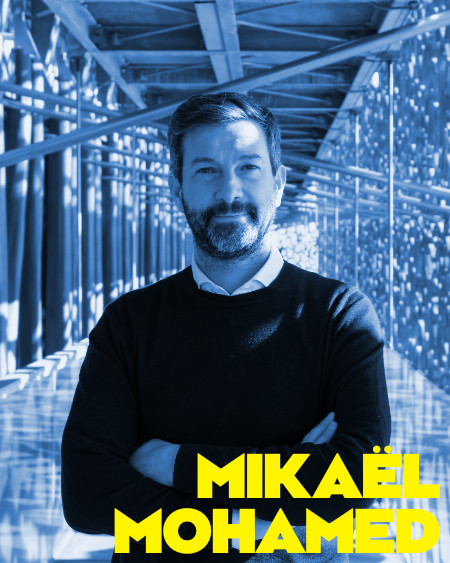
Director of International Relations, MUCEM (F)
Mikaël Mohamed is Director of International Relations at the Mucem – the Museum of European and Mediterranean Civilisations in Marseille, France – a position he held from 2013 to 2023 and has resumed in 2025. He previously served as Cultural Advisor to the President of the Région Provence-Alpes-Côte d’Azur (2023–2024). He spent ten years with the French Ministry for Europe and Foreign Affairs, notably as Director of the Institut français de Tétouan, Morocco (2008–2012) and Cultural Attaché in Riga, Latvia (2004–2007). He is actively involved in several non-profit organisations promoting social inclusion and addressing social vulnerability through culture. He has been an elected board member of ICOM France since October 2025.
Paulus Müller
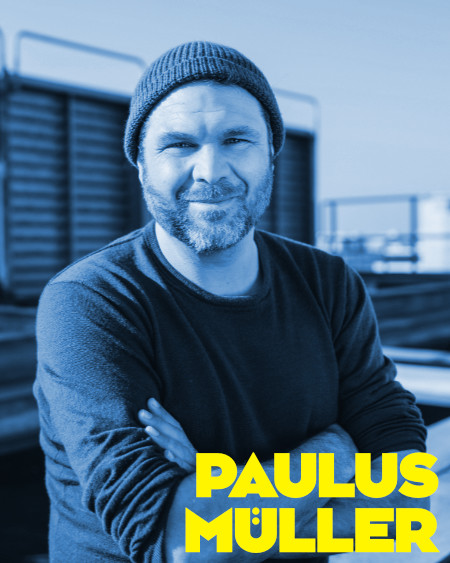
Freelance Writer, Journalist and Presenter
Paulus Müller is a freelance audio journalist specializing in science and culture. At Deutschlandfunk, he hosts the program "Systemfragen" and also presents "Corso" and "Zwischentöne." At WDR, he conveys educational content to a young audience as a writer and presenter for Maus-Radio.
Gabriela Moulin
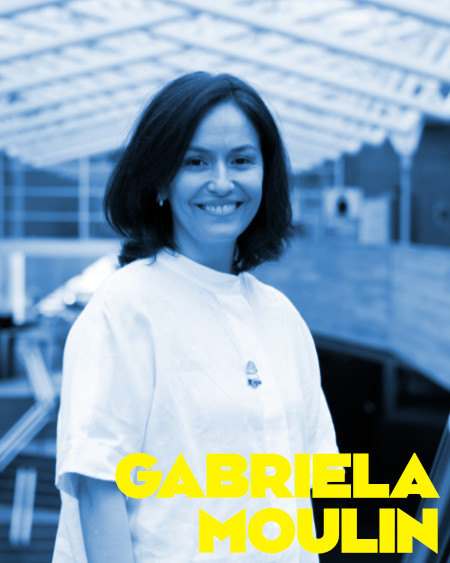
Director, Instituto Tomie Ohtake (BR)
Gabriela Moulin is the Executive Director of the Tomie Ohtake Institute and a leading researcher of Brazilian culture and its institutional frameworks. With a background in Journalism, a postgraduate degree in Public Relations, and a master's degree in Architecture and Urbanism, she brings over 25 years of experience in the planning and management of cultural institutions. Her work spans private social investment in education and territorial development, as well as strategic alignment with public policies. Throughout her career, she has collaborated with a wide range of Brazilian cultural institutions, helping to shape their public role, curatorial processes, content development, management, and institutional vision.
Marita Muukkonen
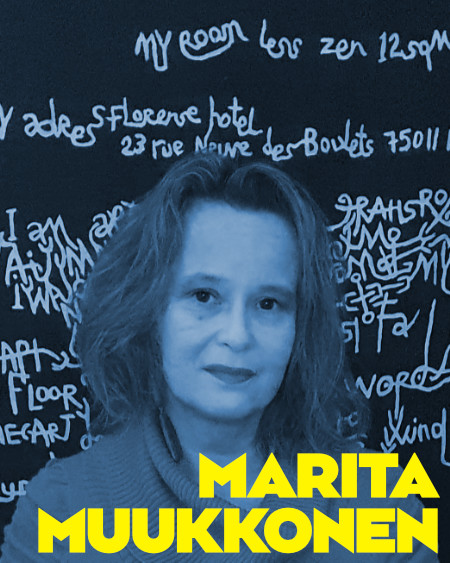
Co-Founder and Co-Director, Artists at Risk (FI)
Marita Muukkonen is a curator and co-founder and director of Perpetuum Mobile (PM), the non-profit which runs the international NGOs Artists at Risk (AR) and Ecologists at Risk (ER). Artists at Risk (AR) has won awards such as the State Prize of Finland and the European Citizen's Prize of the European Parliament.
Marita curates internationally, and serves on several juries, and has served as curator at FRAME – Contemporary Art Finland; editor of FRAMEWORK - The Finnish Art Review; Chairperson of the Helsinki International Artists-in-Residence Programme (HIAP) and held key functions at the Nordic Institute for Contemporary Art (NIFCA).
Kumi Naidoo
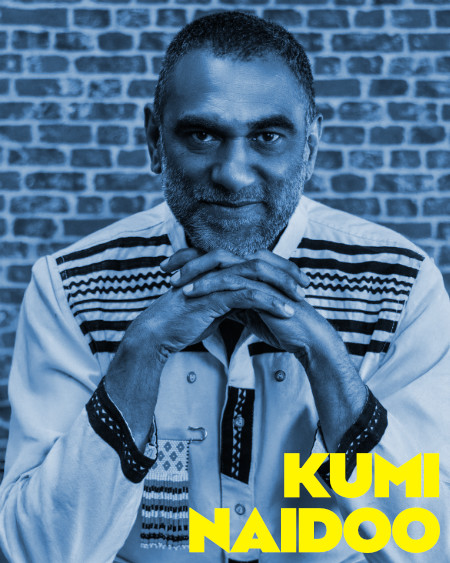
Human Rights Activist, President of the Fossil Fuel Treaty Initiative and Co-Founder of Global Artivism Movement (SA)
Kumi Naidoo is a South African human rights and environmental justice activist, who is currently the President of the Fossil Fuel Treaty Initiative. He is the former Secretary-General of Amnesty International (2018-2020) and the first person from the Global South to lead Greenpeace International (2009-2015). He is an advisor for the Community Arts Network. He serves as a global ambassador for Africans Rising for Unity, Justice, Peace and Dignity. His family started the Riky Rick Foundation for the Promotion of Artivism to build on the positive legacies left by popular South African rapper Rikhado “Riky Rick” Makhado through his music and life’s work. Through this Foundation, he co-founded the Global Artivism Initiative. Kumi is also the author of award-winning Letters To My Mother: The Makings of a Troublemaker and the host of the podcast Power, People and Planet.
Ed Neumeister
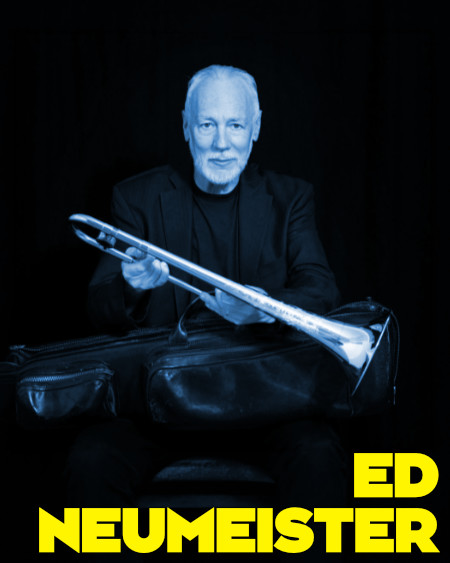
Trombonist, Composer, Arranger
Ed Neumeister is highly regarded in musical circles as a trombonist, composer, arranger, and bandleader. Saxophone star Joe Lovano has valued Neumeister as a colleague for some four decades, praising him both as a conductor with "infectious flair" and as a "soloist of deeply felt, passionate expressiveness." Another renowned saxophonist, Dave Liebman, has simply described him as "one of the best trombonists in the business."
Neumeister looks back on five decades of experience as an artist and educator on both sides of the Atlantic. He grew up in the San Francisco Bay Area and was already working as a professional musician while still a teenager. There, he accompanied legendary vocalists such as Frank Sinatra and Sarah Vaughan, played in various symphony orchestras, and collaborated with both Jerry Garcia (the leader of the Grateful Dead) and jazz greats like Jerry Granelli. After moving to New York City in 1980, Neumeister spent 15 years working as a musician and arranger for the Duke Ellington Orchestra; simultaneously, he played in the Mel Lewis Jazz Orchestra and received a Grammy nomination in 1992 for his arrangement of "A Nightingale Sang in Berkeley Square."
Dietmar Offenhuber
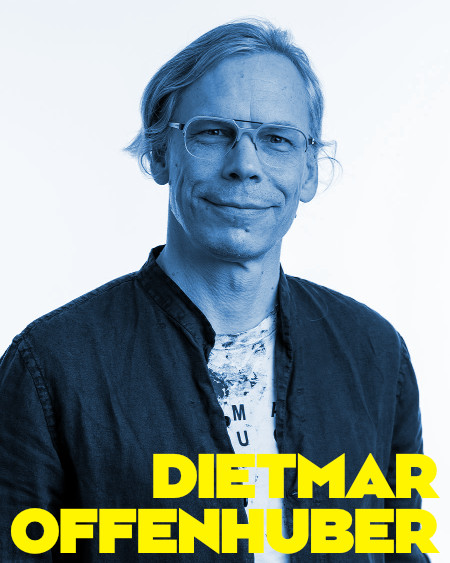
Chair of the Department of Art and Design, Northeastern University (US)
Dietmar Offenhuber is Professor of Design and Public Policy at Northeastern University, Boston, where he is currently chair of the Department of Art+Design and leads the semantic matter lab. Dietmar’s current research examines material visualization practices and the production of evidence, synthetic data, and non-representational aspects of data. He is the author of the award-winning monograph “Waste is Information” (MIT Press) and has published books on urban data and accountability technologies. His new book “Autographic Design – the Matter of Data in a Self-inscribing World” (MIT Press) examines material visualization practices and the production of evidence.
Sascha Priewe
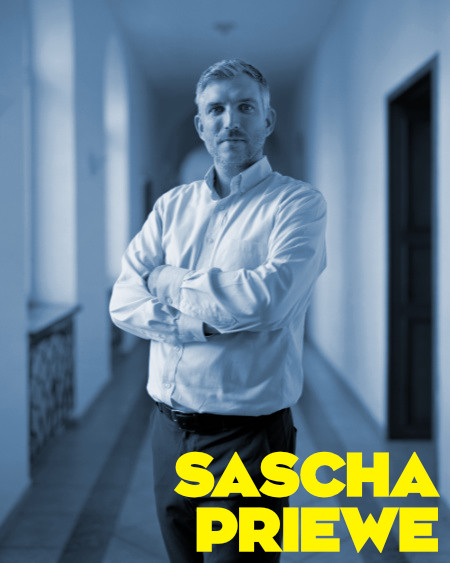
Co-Founder, North American Cultural Diplomacy Initiative (CA)
Sascha Priewe is the Aga Khan Museum’s Director of Collections & Public Programs. He has previously served as Associate VP, Strategic Initiatives & Partnerships, at the Royal Ontario Museum in Toronto, as well as the Curator in charge of Chinese and Korean collections at the British Museum, London.
He holds professorial appointments at the University of Toronto and Queen’s University, is a Senior Fellow of Massey College and was a 2019-21 Research Fellow of the USC Center on Public Diplomacy. He is also a co-founder of the North American Cultural Diplomacy Initiative (NACDI). Sascha has authored two books on museum diplomacy and is currently partnering with Sarah E.K. Smith on projects on diaspora museums and diaspora diplomacy, as well as on the global engagement of Canadian museums and art galleries after Covid.
In terms of sector leadership, he serves as the President of ICOM Canada, which is the Canadian national committee of the International Council of Museums. He is also currently the chair of the Global Leadership Council of the Idaho Museum of International Diaspora and has previously served on the board of the Ontario Museum Association.
He holds a PhD in archaeology from the University of Oxford.
Doris Rothauer
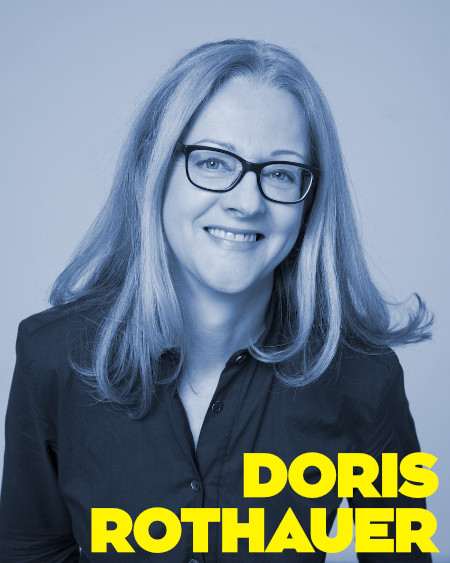
Vienna/New York (GER)
Doris Rothauer is a cultural manager, strategy consultant, and author. Her work focuses on the societal and social impact of art and culture. Through her consultancy and collaborative projects, she supports cultural institutions in areas such as sustainability, diversity, and inclusion.
Sven Sappelt
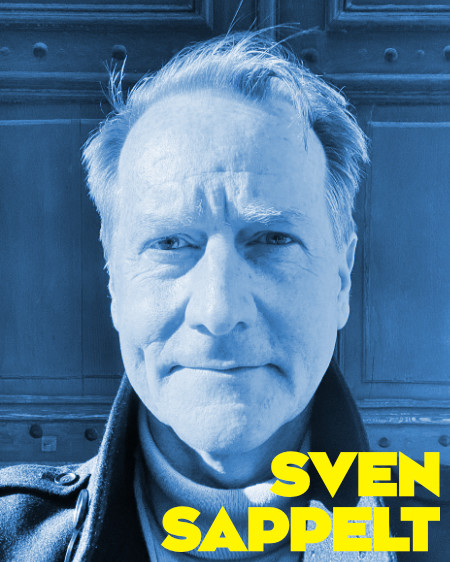
Curator, Bundeskunsthalle
Dr. Sven Sappelt has been working as a curator at the Bundeskunsthalle in Bonn since 2024. In 2025, he curated the international exhibition on sustainable architecture and urban development, “WEtransFORM,” together with Eva Kraus. As director of the Bundeskunsthalle’s talk series, Studio Bonn, he regularly invites experts to participate in public discussions. In 2026, he conceived the first edition of the “Bonn Summit. European Forum on Culture and Politics”.
Carena Schlewitt
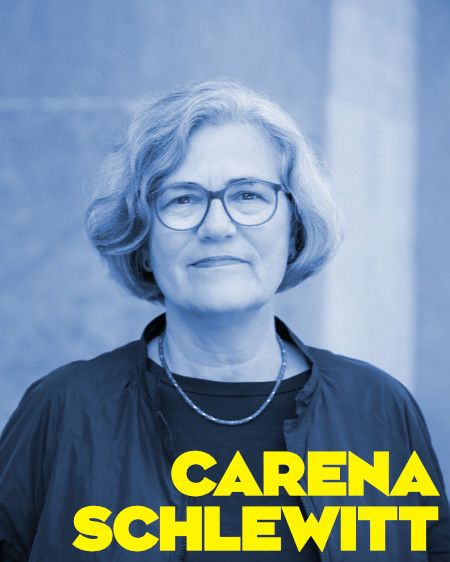
Director, HELLERAU, Dresden (DE)
Carena Schlewitt, born in Leipzig in 1961, is a dramaturge and theater director. She studied theater studies at Humboldt University Berlin, worked at the Academy of Arts in East Berlin, and held positions as a dramaturge, curator, and artistic director at international production houses and festivals in Berlin, Düsseldorf, and Basel. Since the 2018/2019 season, she has served as Artistic Director of HELLERAU – European Centre for the Arts in Dresden, which was awarded the Federal Theater Prize in 2026.
Paul Spies
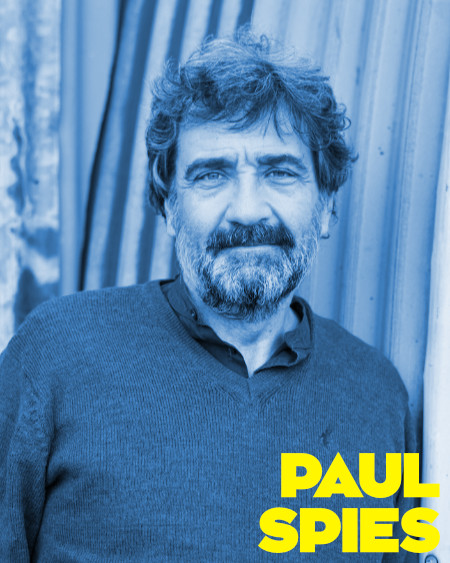
President, ICOM Germany (DE)
Paul Spies is an art historian who served as Director of the Stadtmuseum Berlin Foundation from 2015 to 2024. Prior to that (2009–2015), he was Director of the Amsterdam Museum in the Netherlands. He currently works as an independent consultant for museums and other—primarily cultural—institutions. He advises boards, guides renewal processes, and develops exhibition concepts. He is the President of ICOM Germany (International Council of Museums).
Jennie C. Stephens
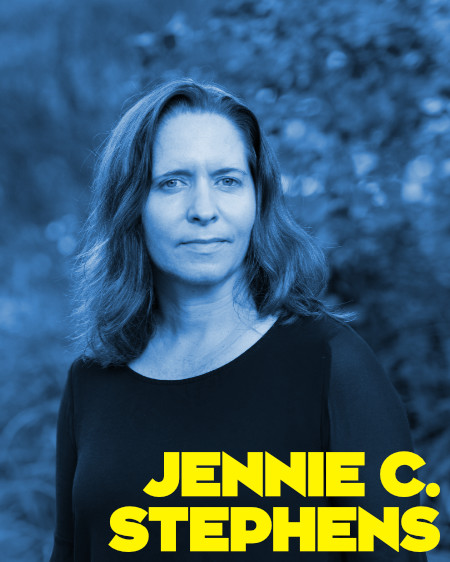
Professor of Climate Justice, Maynooth University (US/IE)
Jennie C. Stephens is a feminist climate justice scholar-activist working on transformation toward more just and healthy futures for all. She moved back to Ireland from the US in 2024 and is Professor of Climate Justice at the National University of Ireland Maynooth. She is on the coordinating team of the Climate Justice Universities Union, and she leads the Transformative Climate Justice research Team at Maynooth’s ICARUS Climate Research Center. Her research, teaching, and community engagement focus on exnovation away from fossil fuels, confronting climate obstruction, analysing corporate power, reclaiming higher education for the public good, and integrating social justice into climate and energy policy.
Anna-Lena von Hodenberg
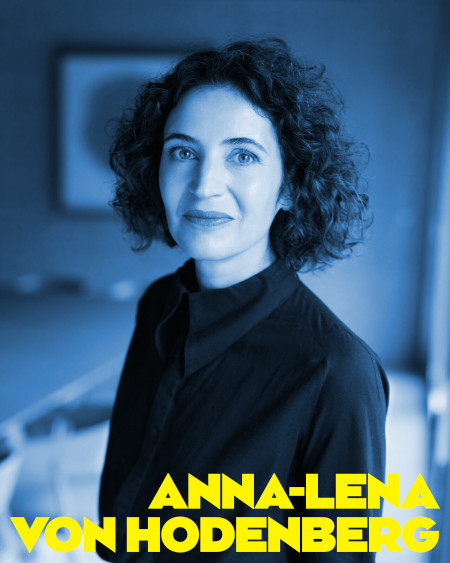
HateAid (DE)
Anna-Lena von Hodenberg is a professional journalist. In 2018, she founded HateAid gGmbH together with Campact e. V., Fearless Democracy e. V. as well as a lawyer committed to combatting right-wing violence. The CEO-led non-profit organisation advocates for human rights in the digital space. Its goal: to make the internet a positive space where democratic values apply for everyone. So far, HateAid has supported more than 7,500 people affected by digital violence, for example with emotionally stabilising initial counselling sessions, IT security and communication advice or funding for litigation costs in civil proceedings. In 2025, Anna-Lena von Hodenberg was honoured with the Order of Merit of the Federal Republic of Germany.
Katharina von Ruckteschell-Katte
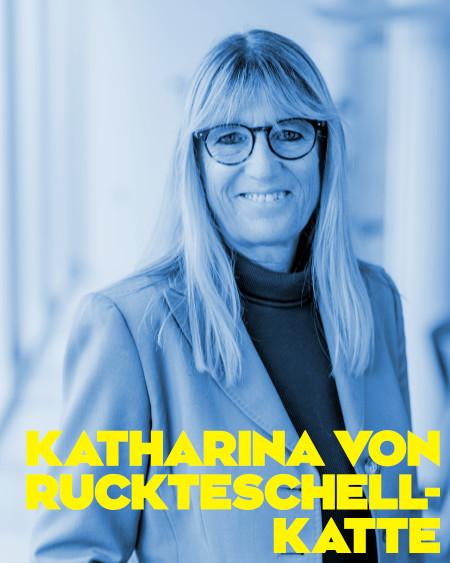
Head of Culture and Education Department, Goethe-Institut (GER)
Since March 2025, Dr. Katharina von Ruckteschell-Katte has headed the Culture and Education Department at the Goethe-Institut headquarters in Munich, where she is responsible for the strategic direction of global programming.
Following her university studies and doctorate in Comparative Literature, Art History, and German Studies in Bonn, she held leadership positions at the Goethe-Institut in locations including Moscow, Bangkok, Johannesburg, São Paulo, and London.
Drawing on her extensive international experience in foreign cultural and educational policy, she brings a transcultural perspective to current debates and strengthens global networks for cultural exchange and societal dialogue.
Jens-Christian Wagner
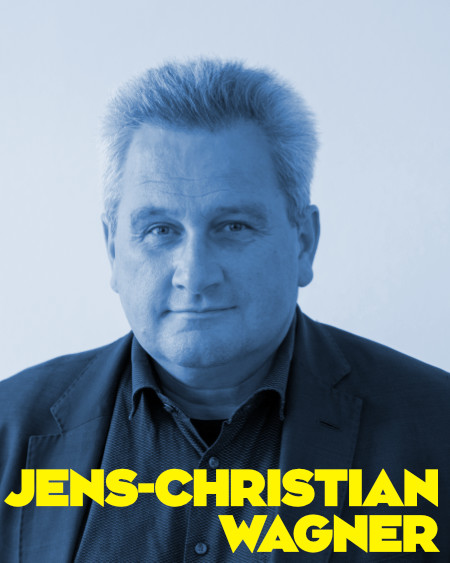
Director, Buchenwald Memorial (Germany)
Historian Prof. Dr. Jens-Christian Wagner has served as Director of the Buchenwald and Mittelbau-Dora Memorials Foundation and as Professor of History in Media and the Public Sphere at Friedrich Schiller University Jena since 2020. Previously, he headed the Lower Saxony Memorials Foundation in Celle and the Mittelbau-Dora Concentration Camp Memorial in Nordhausen. Wagner is the author of numerous publications on National Socialism (particularly forced labor and concentration camps), cultures of remembrance after 1945, right-wing extremism, and historical revisionism. He has also curated several exhibitions on these topics.
Silke Weinlich
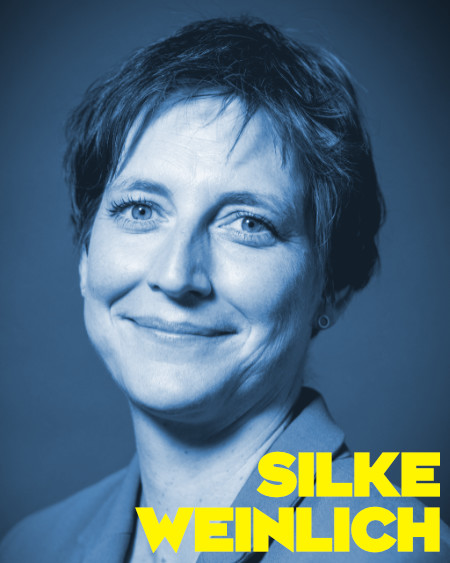
Deputy Director, UN SSC (DE)
Dr. Silke Weinlich is the Deputy Director of the United Nations System Staff College (UNSSC). She focuses on how international cooperation can be strengthened to enable the United Nations and its partners to effectively address global challenges together. Her work combines leadership, research, and policy advice, with a particular emphasis on global learning, institutional cooperation, and the capacity of multilateral organizations to facilitate collective action for a sustainable and peaceful future.
Gitte Zschoch
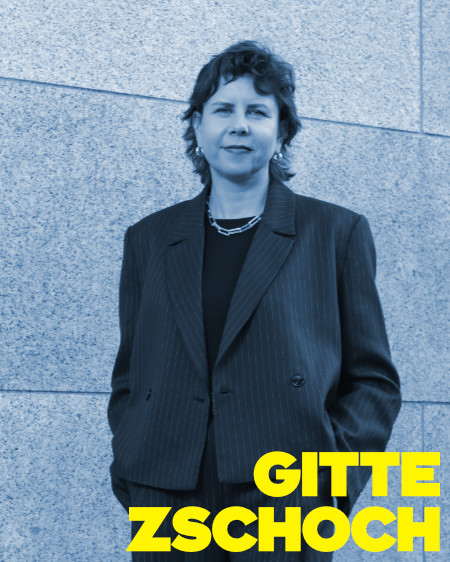
Secretary General of the Goethe-Institut (GER)
Gitte Zschoch has served as Secretary General and Chair of the Executive Board of the Goethe-Institut since July 2026. Previously, from 2021 to 2026, she was Secretary General of ifa (Institut für Auslandsbeziehungen)—a key player in German foreign cultural and educational policy and the organization responsible for the German Pavilion at the Venice Art Biennale. From 2018 to 2021, she headed EUNIC (European Union National Institutes for Culture), the network of national European cultural institutes, in Brussels. Prior to that, she held various positions at the Goethe-Institut starting in 2009: in Seoul, Tokyo, and Johannesburg, as well as at the Munich headquarters (where she served as Deputy Head of Communications) and, most recently (2015–2018), as the founding director of the Goethe-Institut in the Democratic Republic of the Congo. Gitte Zschoch studied Comparative Literature at Ludwig Maximilian University in Munich and completed a master’s degree in Modern Korean Literature at Seoul National University in Seoul, South Korea, where she also worked as a German language lecturer. Since 2025, she has also been a member of the EUNIC network board, serving as its President until December 2026.