Interactions 2026
1 May to 1 November 2026 // Admission free
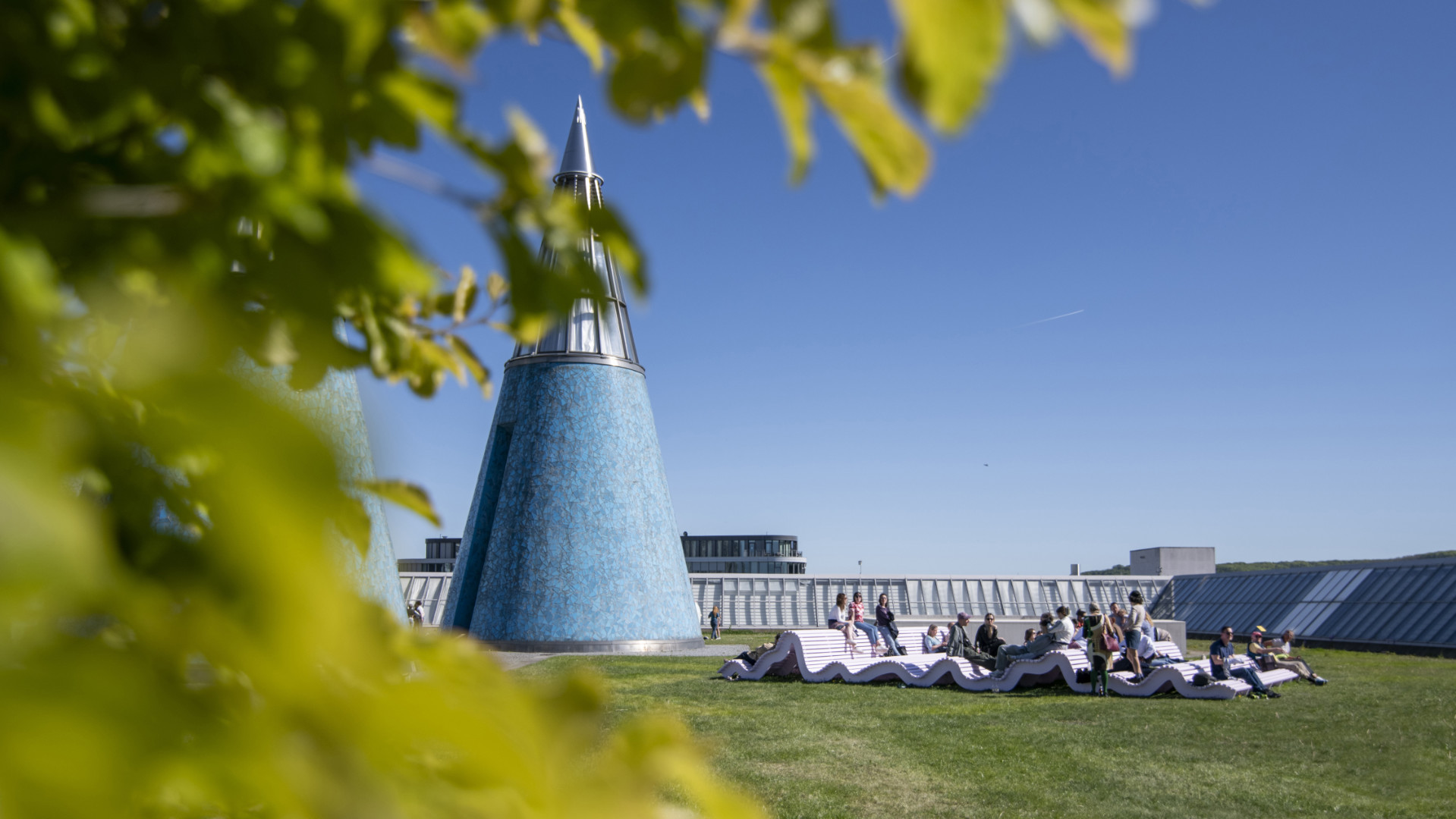
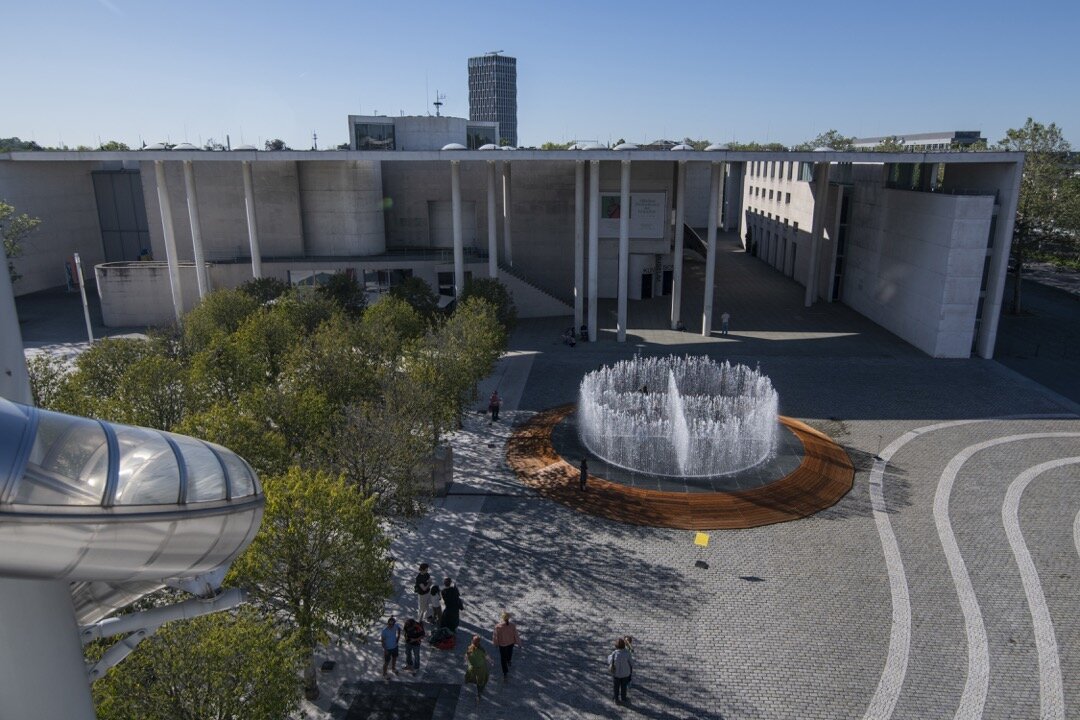
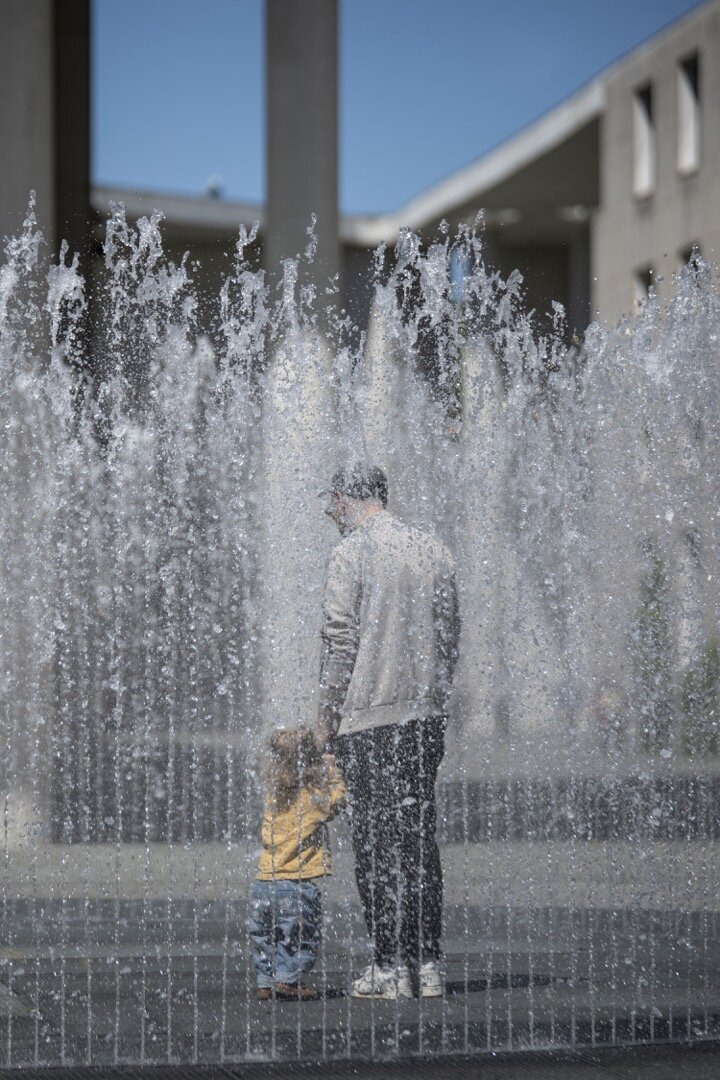
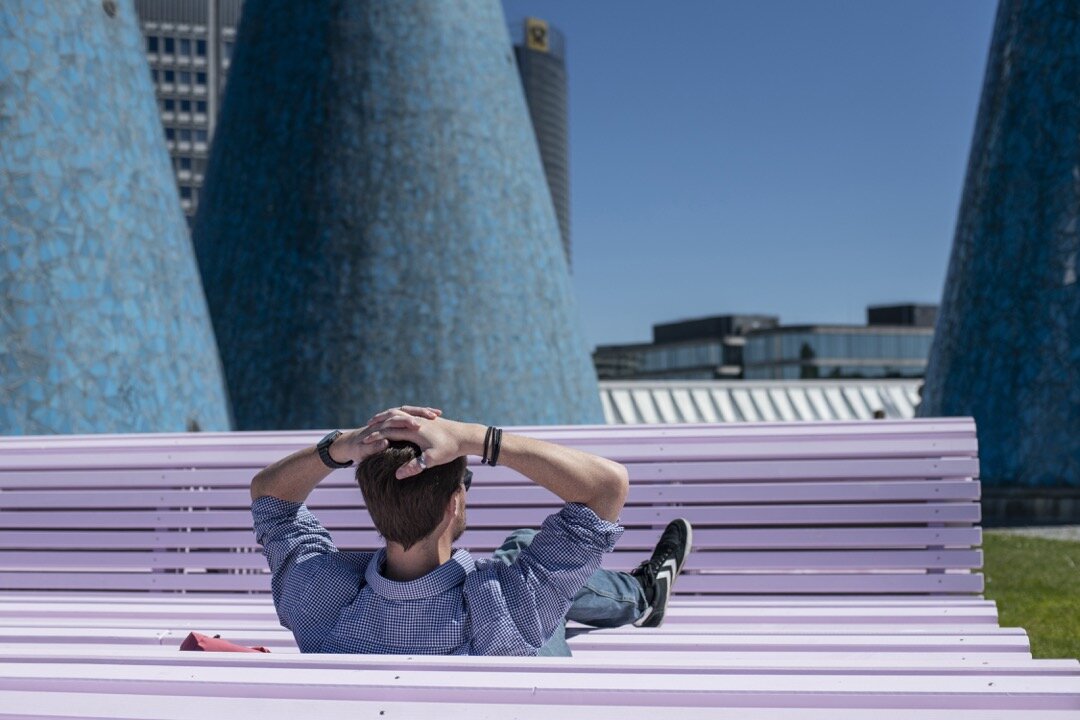
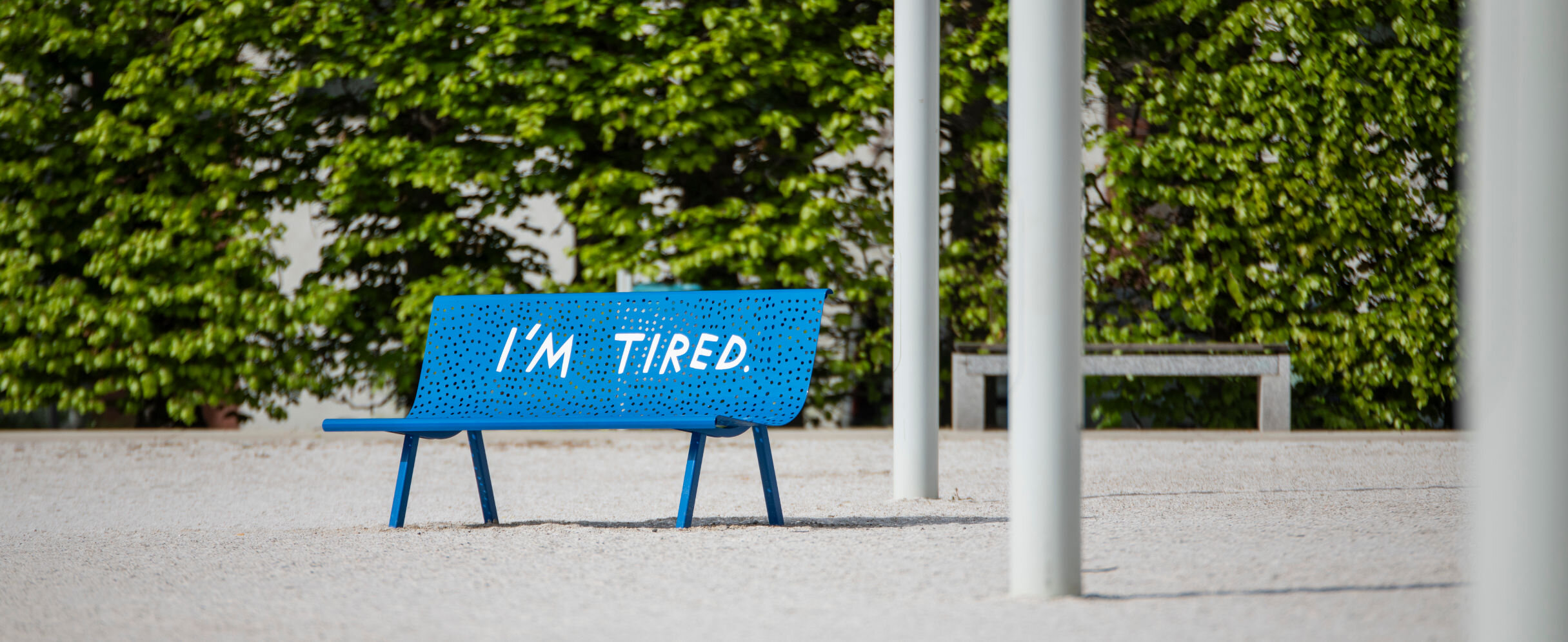
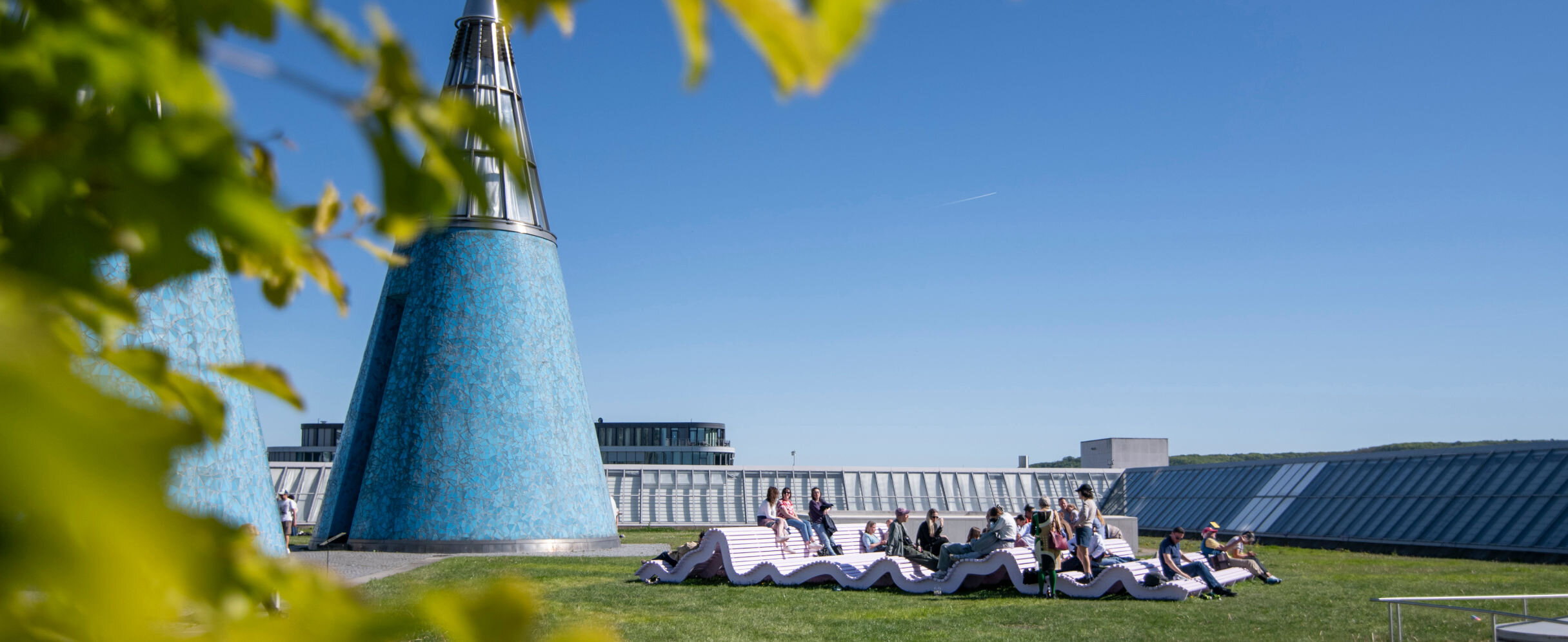
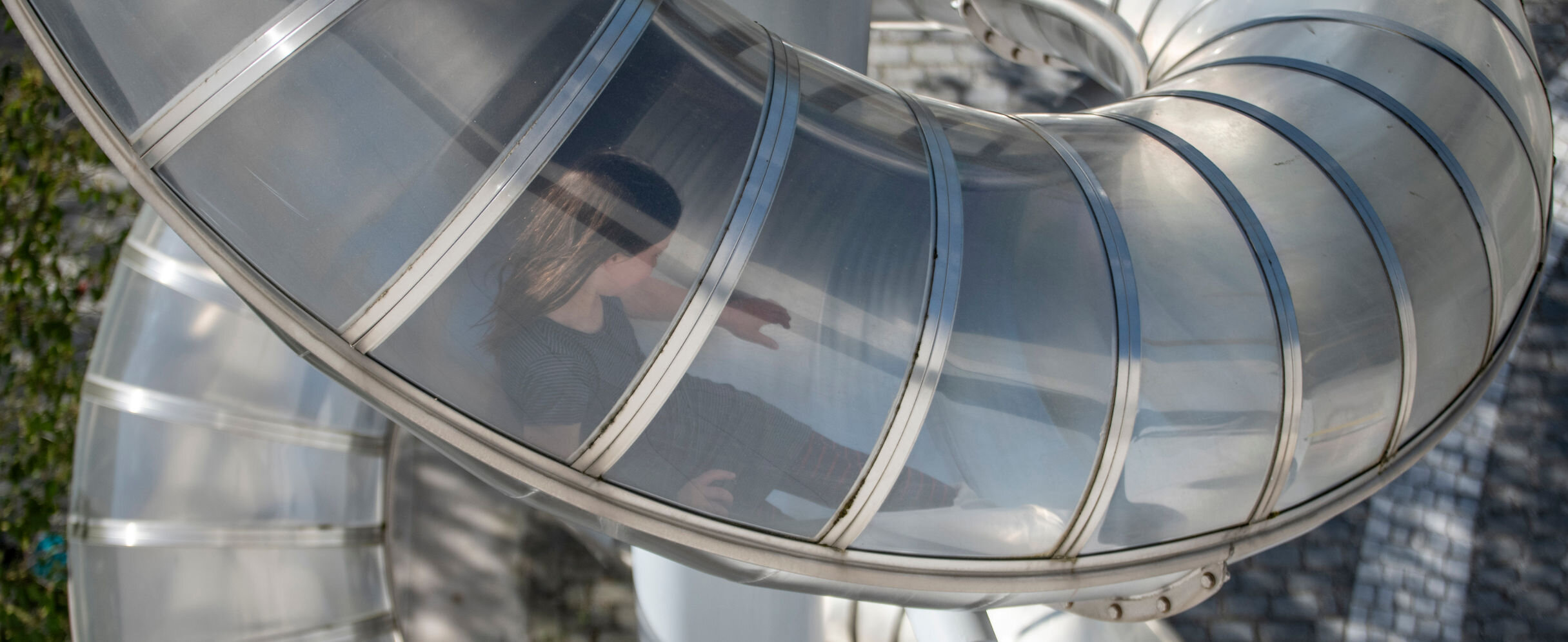
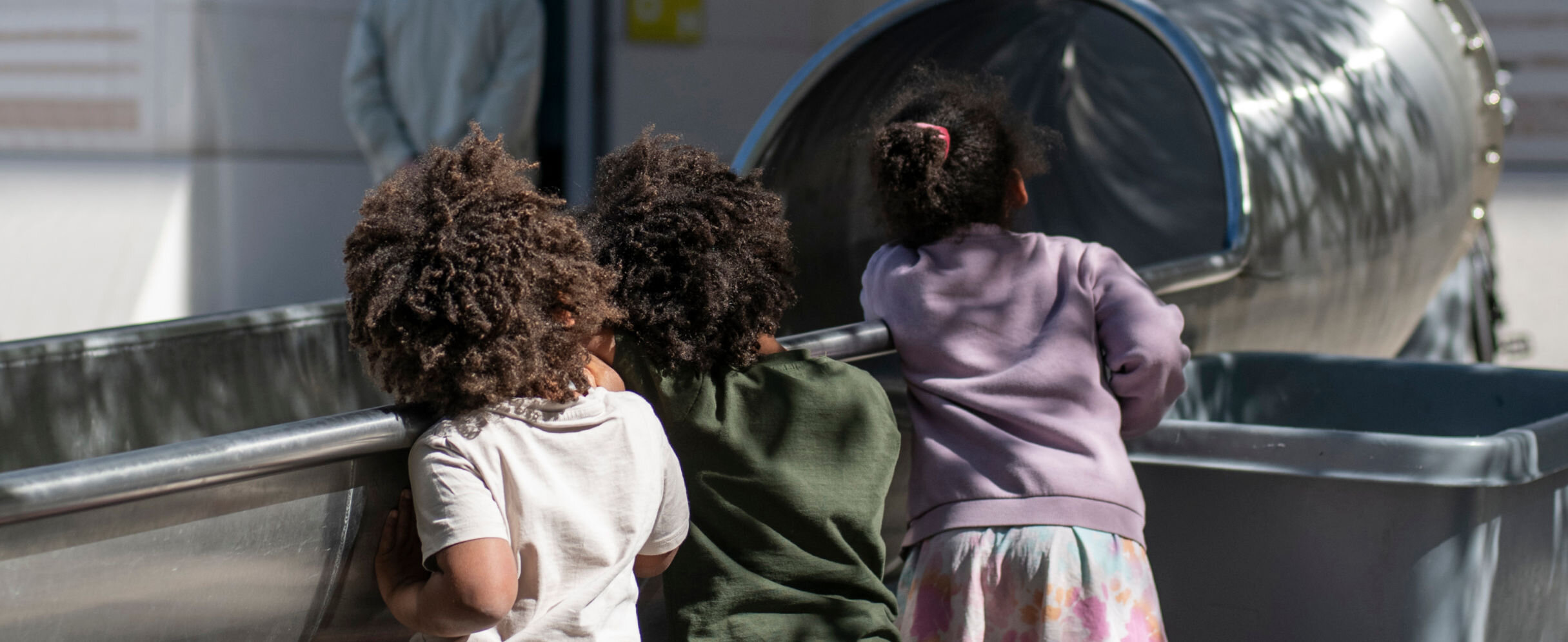
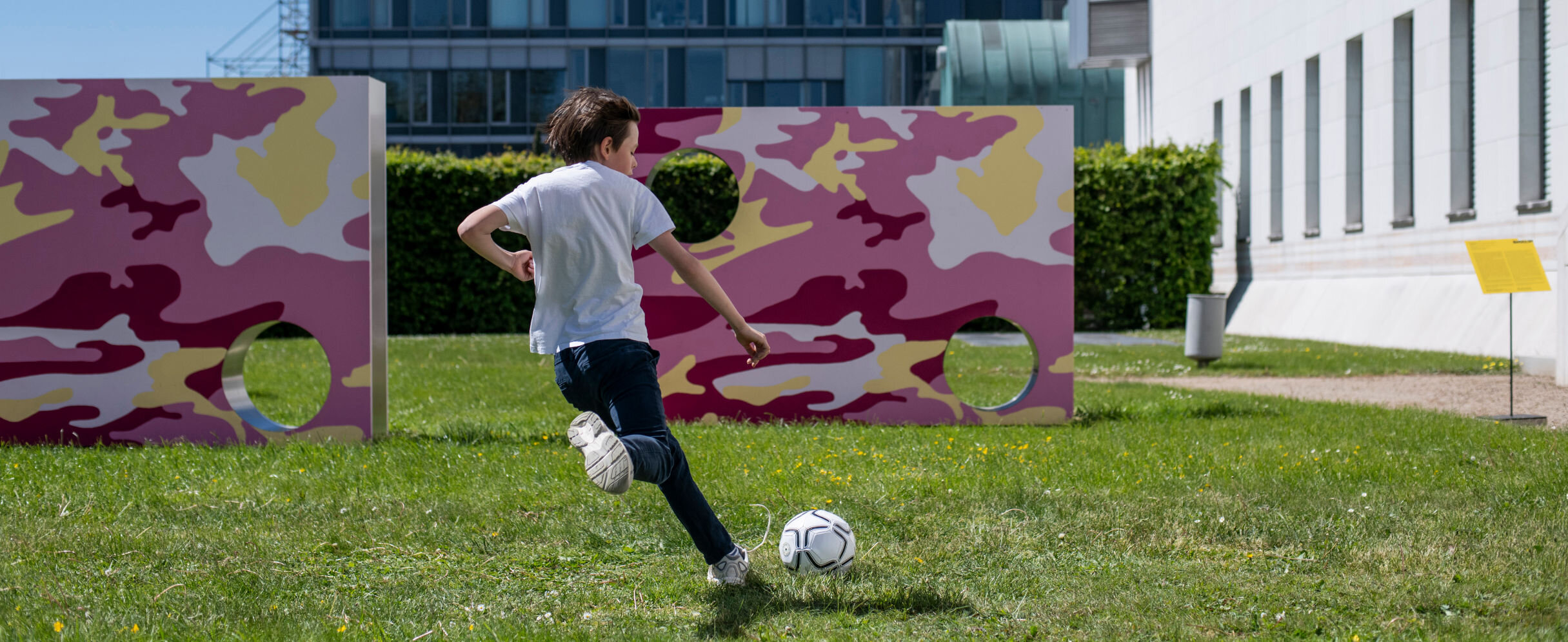
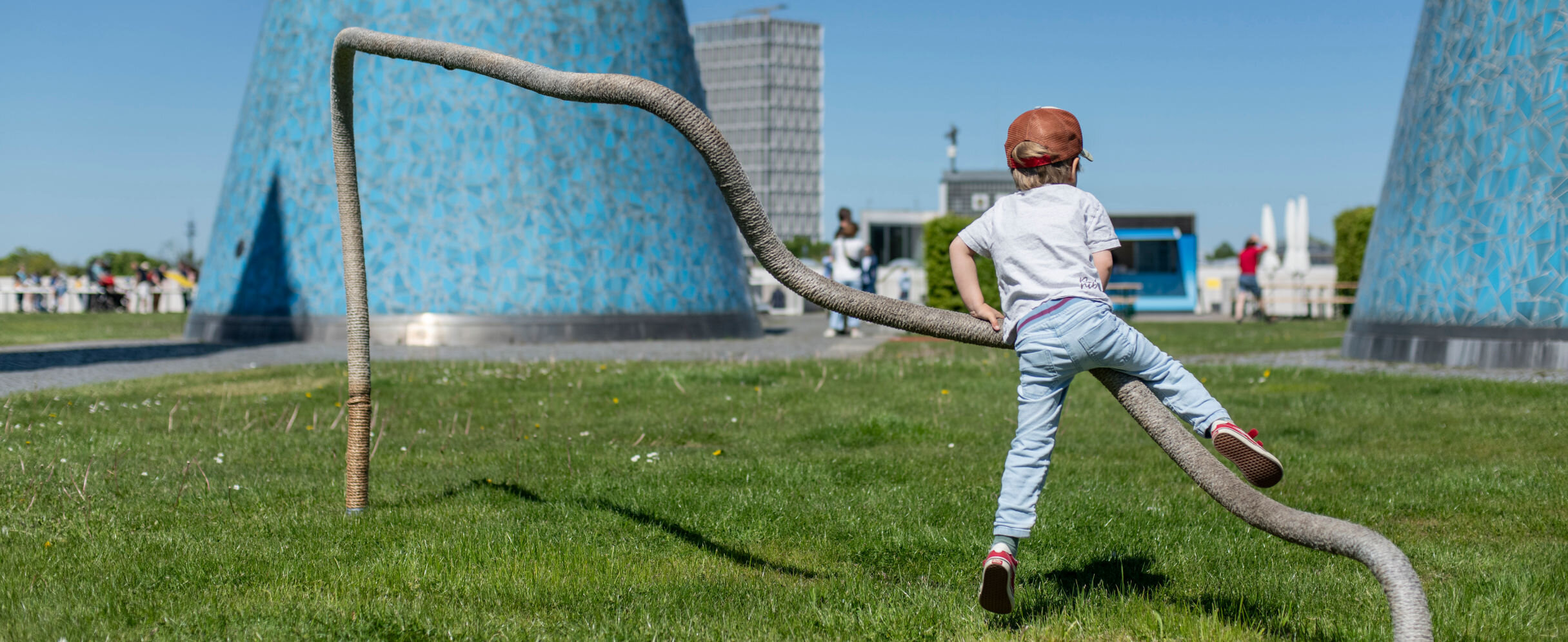
Once again, we invite you to spend the summer exploring the many works of art on display in the outdoor and public indoor spaces of the Bundeskunsthalle. Returning from previous years are Jeppe Hein’s popular water pavilion, Circular Appearing Rooms, and Carsten Höller’s Bonn slide. The organic climbing frame by Temitayo Ogunbiyi, You will follow the Rhein and compose play (playground), and the three soccer goal walls Camouflage/Torwand 1–3 [Croy, Kleff, Maier] by Olaf Nicolai also enrich the playful course in the spirit of sustainable thinking. Finnegan Shannon’s benches, Do you want us here or not (KAH), can also be used again; they explore, among other things, the accessibility of art in general and exhibition spaces.
Following the 2025 Year of ecological sustainability, 2026 will be dedicated to social sustainability, cohesion and mindfulness. The programme will feature artworks that, whilst encouraging reflection, also invite visitors to engage in interactive play, whilst exploring images, language and music/sound as universal forms of communication that transcend boundaries.
Interactions, interventions, and disruptions offer the opportunity to actively participate in art.
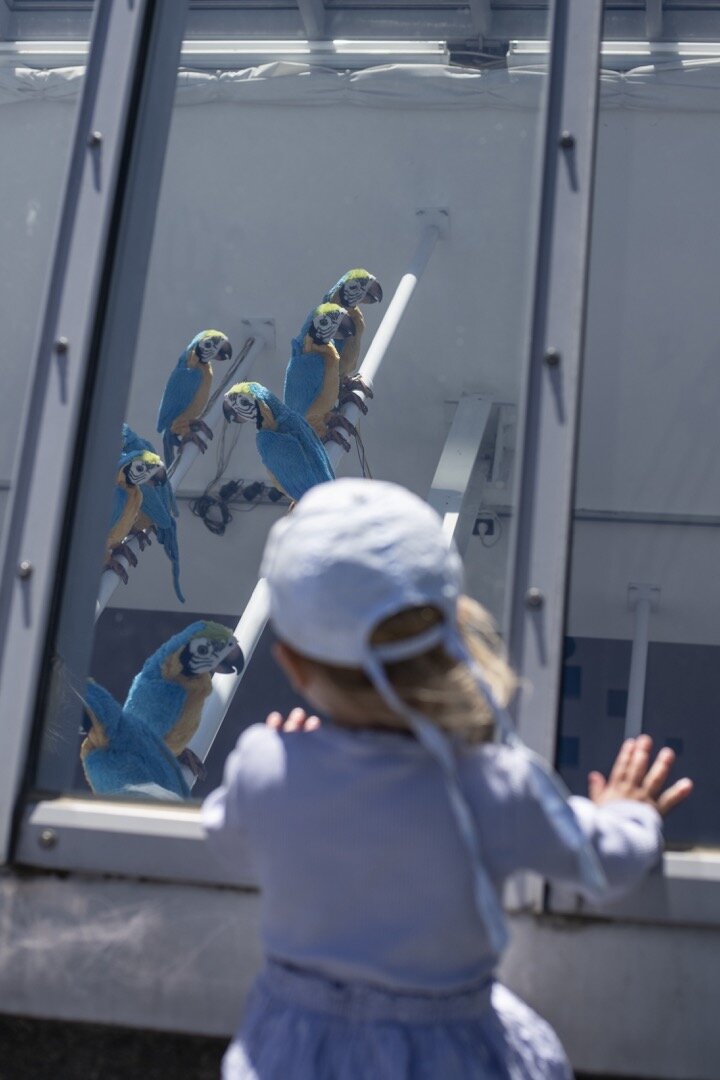
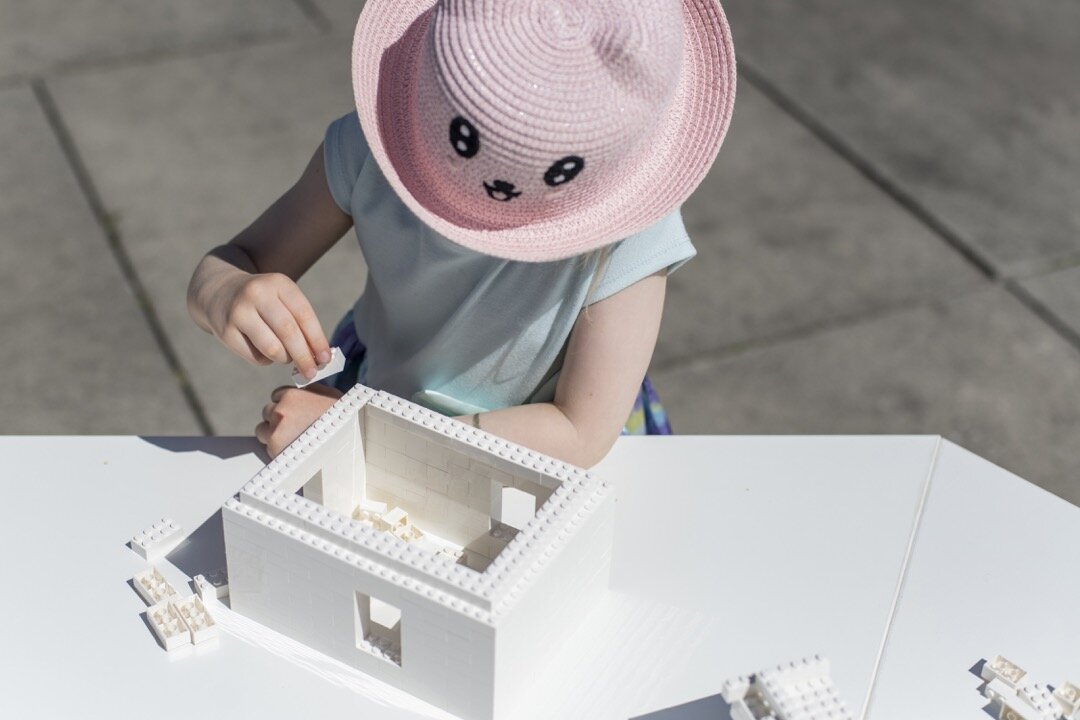
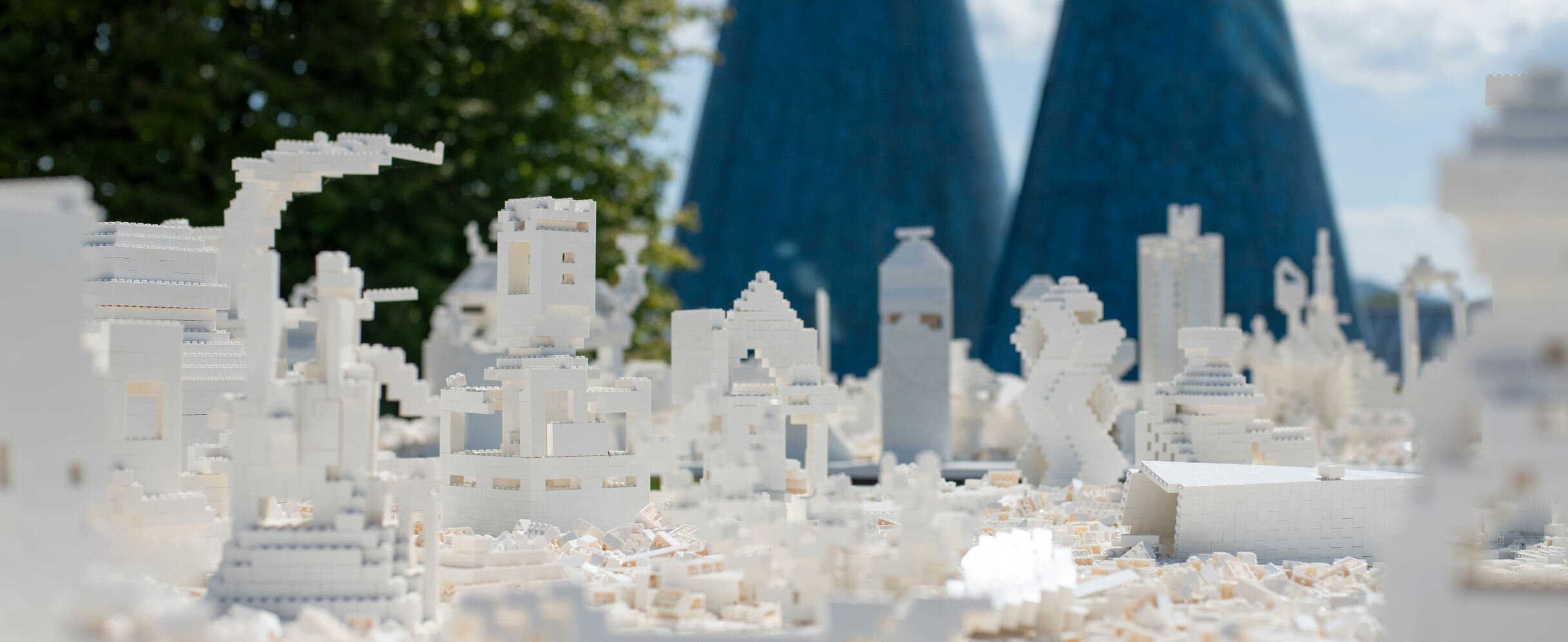
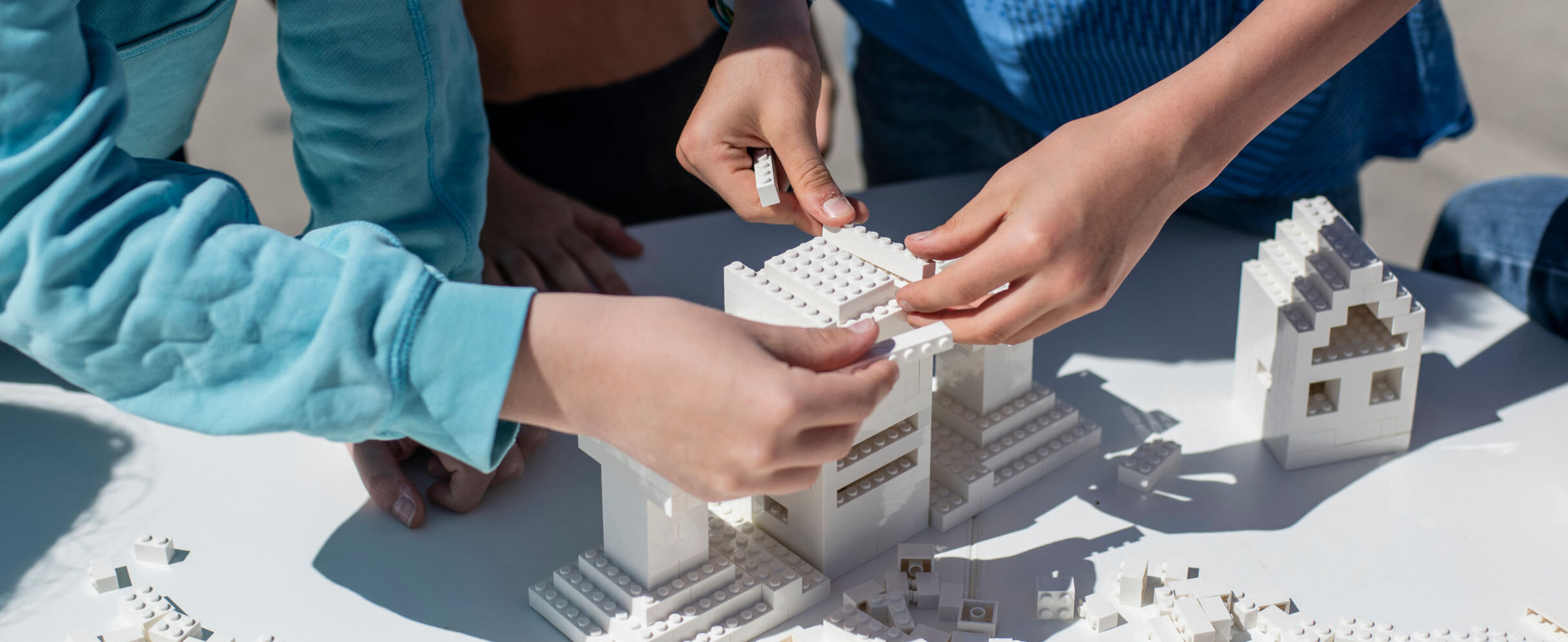
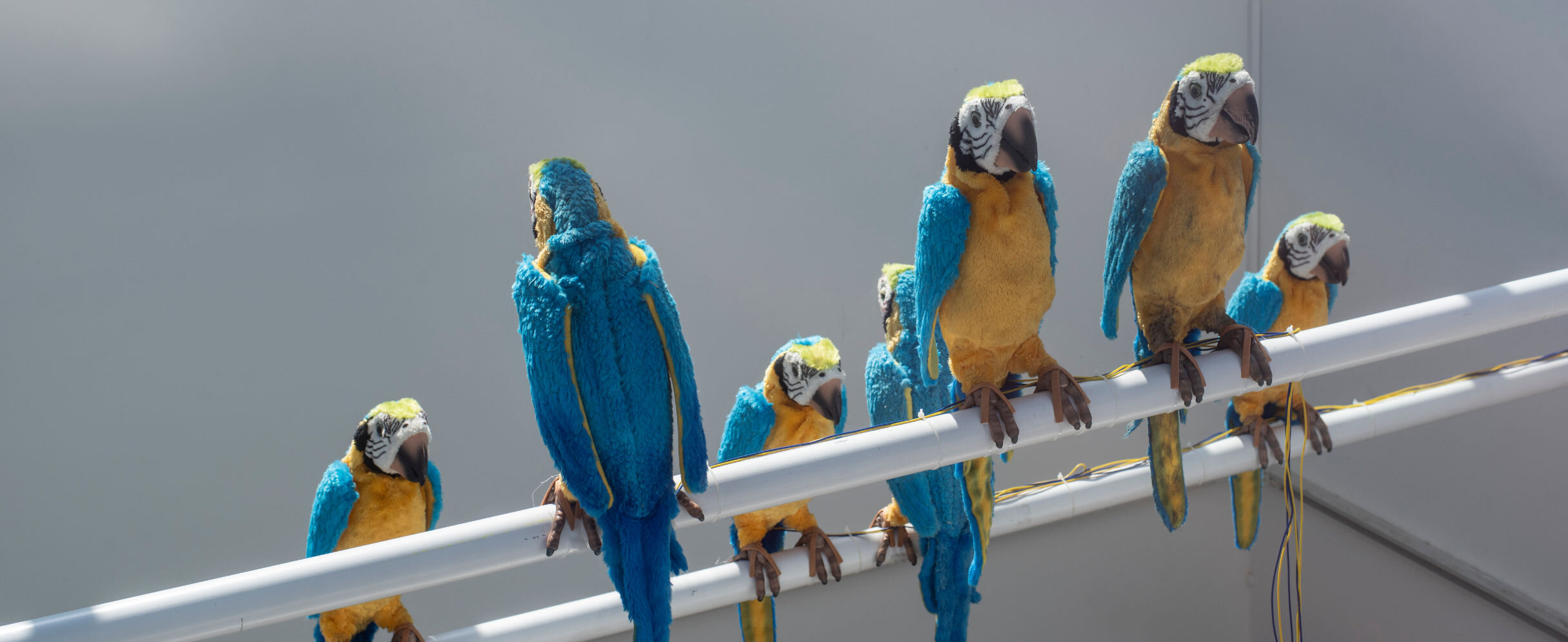
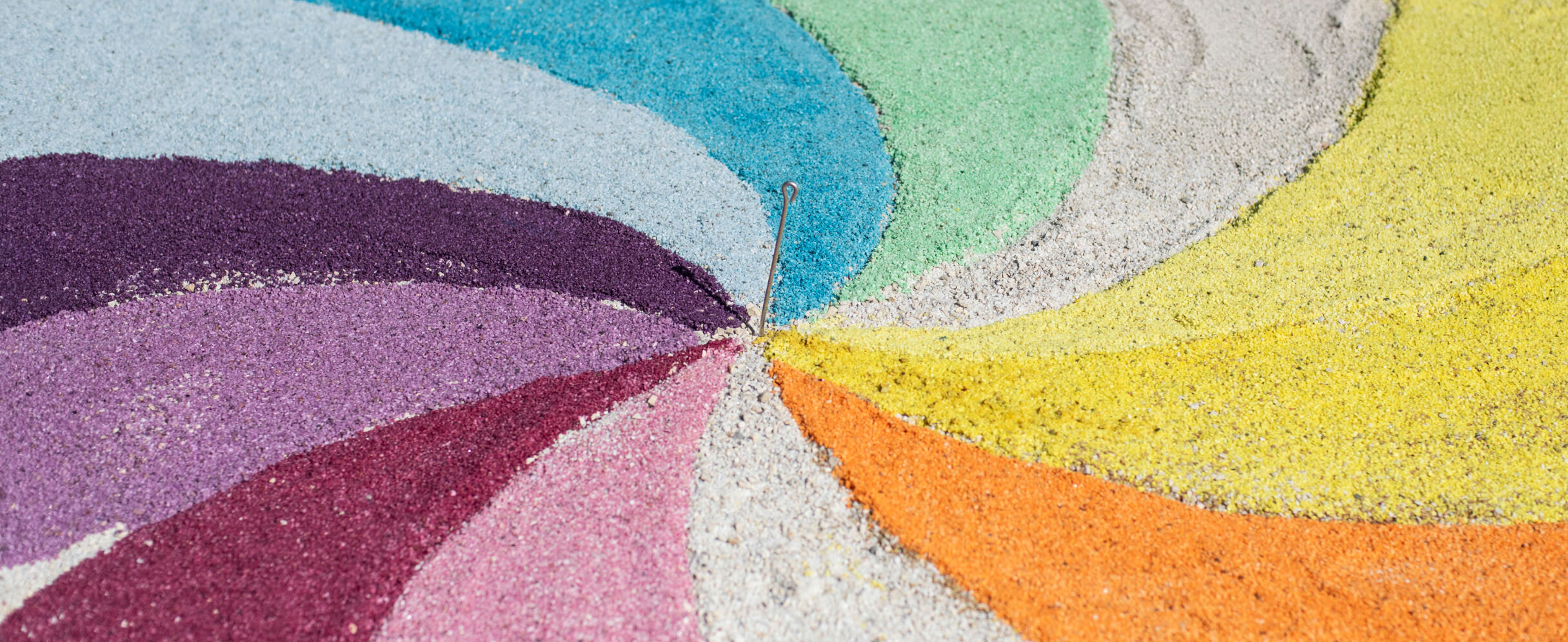
For example, Constatin Luser’s Protosaurus can be used to conjure up sounds, whilst Gerrit Frohne-Brinkmann’s Dirty Parrots generate sounds and words at random. Ólafur Elíasson’s The collectivity project creates different images depending on whether the most beautiful buildings made of white LEGO® bricks are constructed individually or collaboratively, whilst Philipp Messner creates Constantly Shifting, a seemingly ordinary colour image on the museum square, as an inlay work that is in a state of flux due to unintended interactions with us or nature.
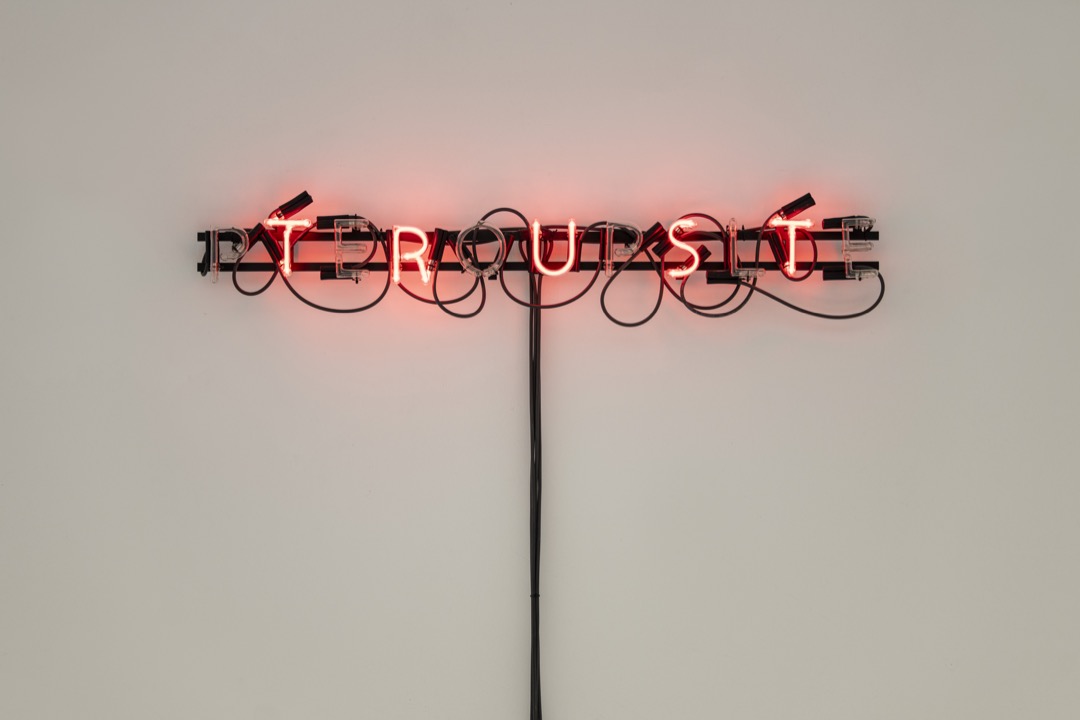
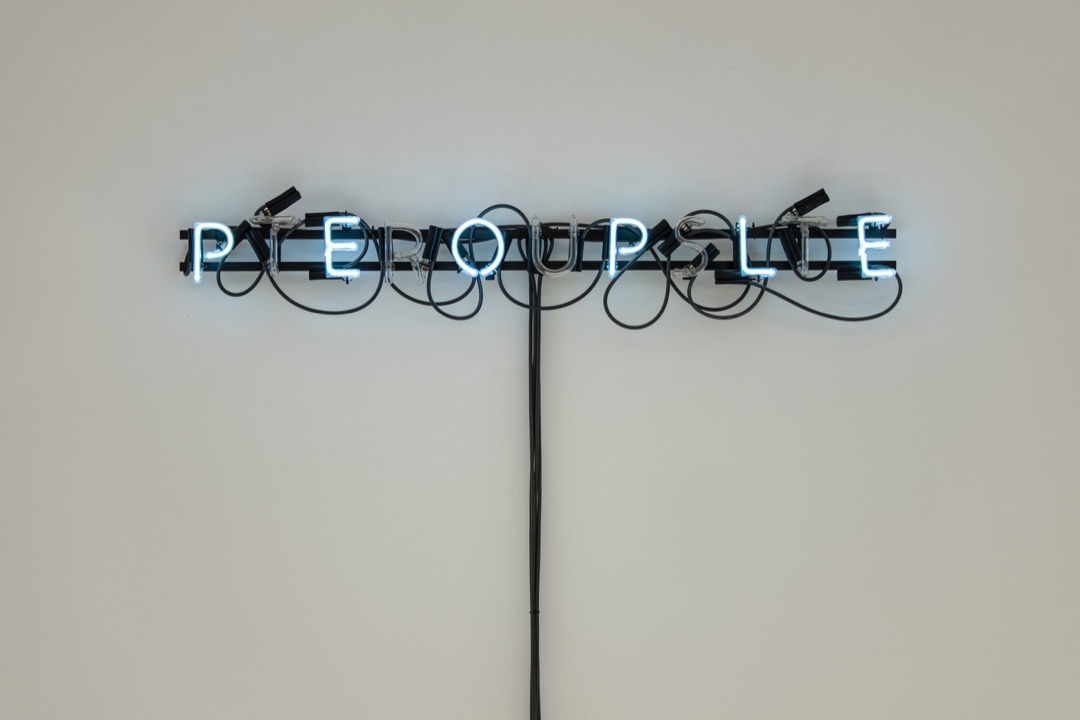
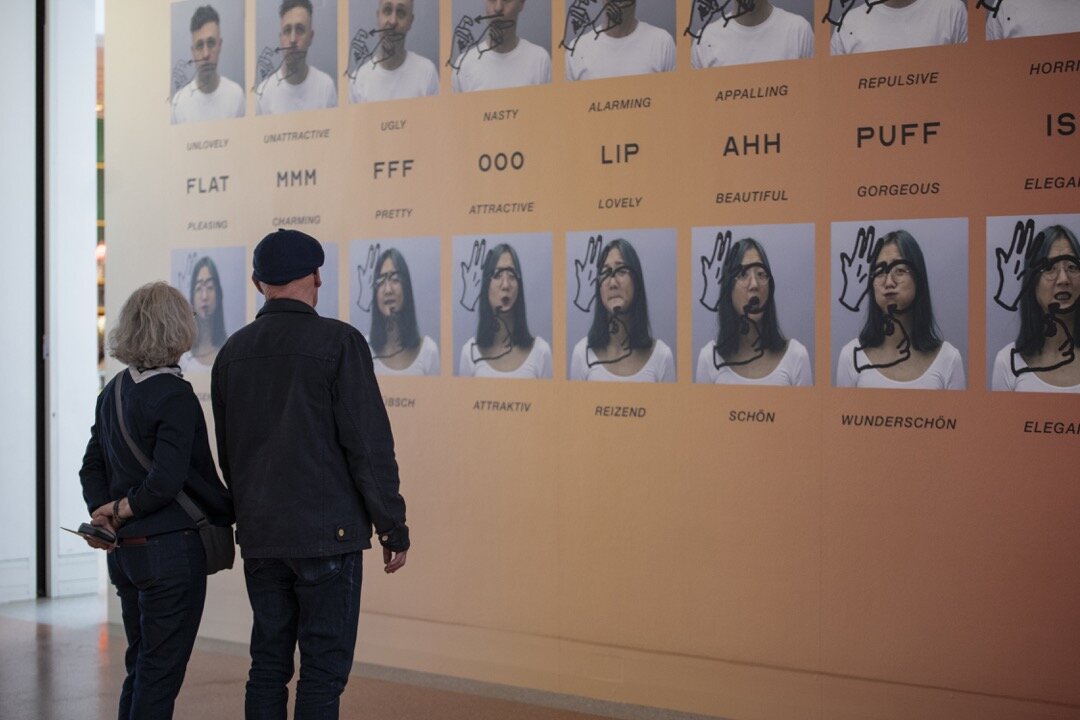
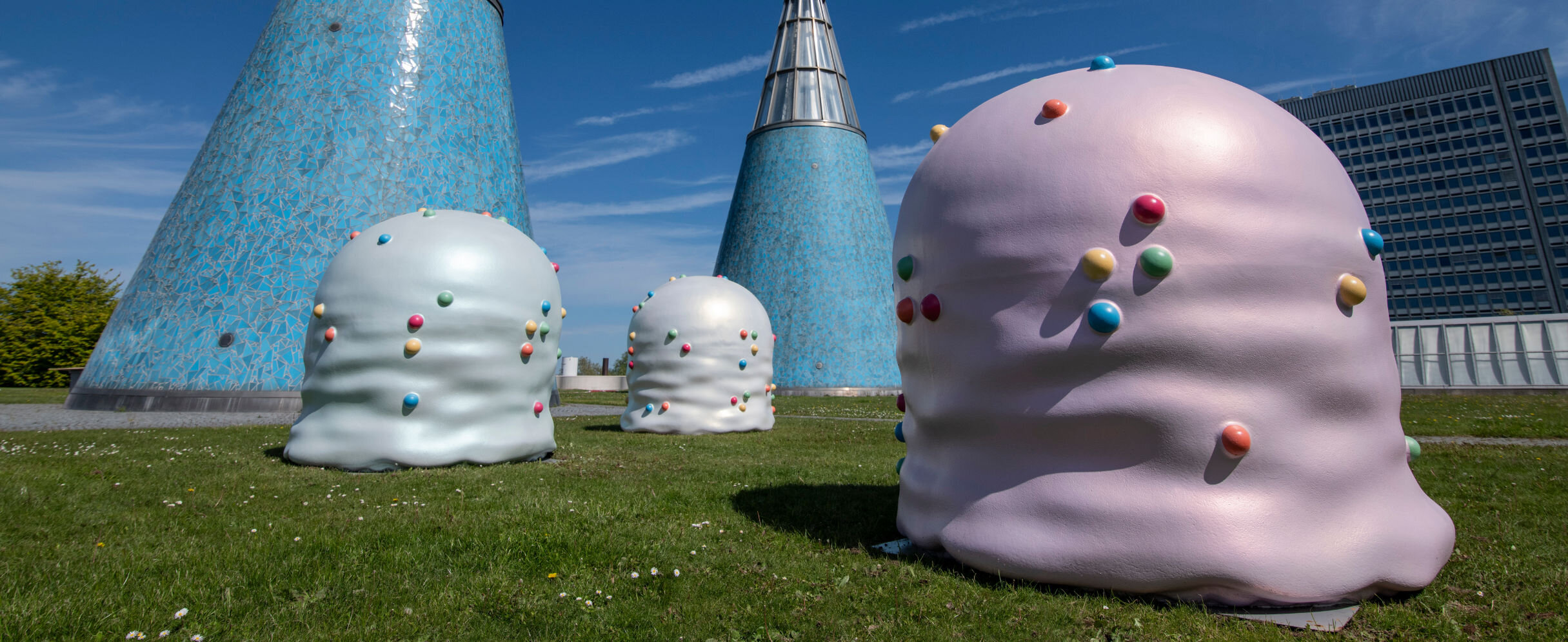
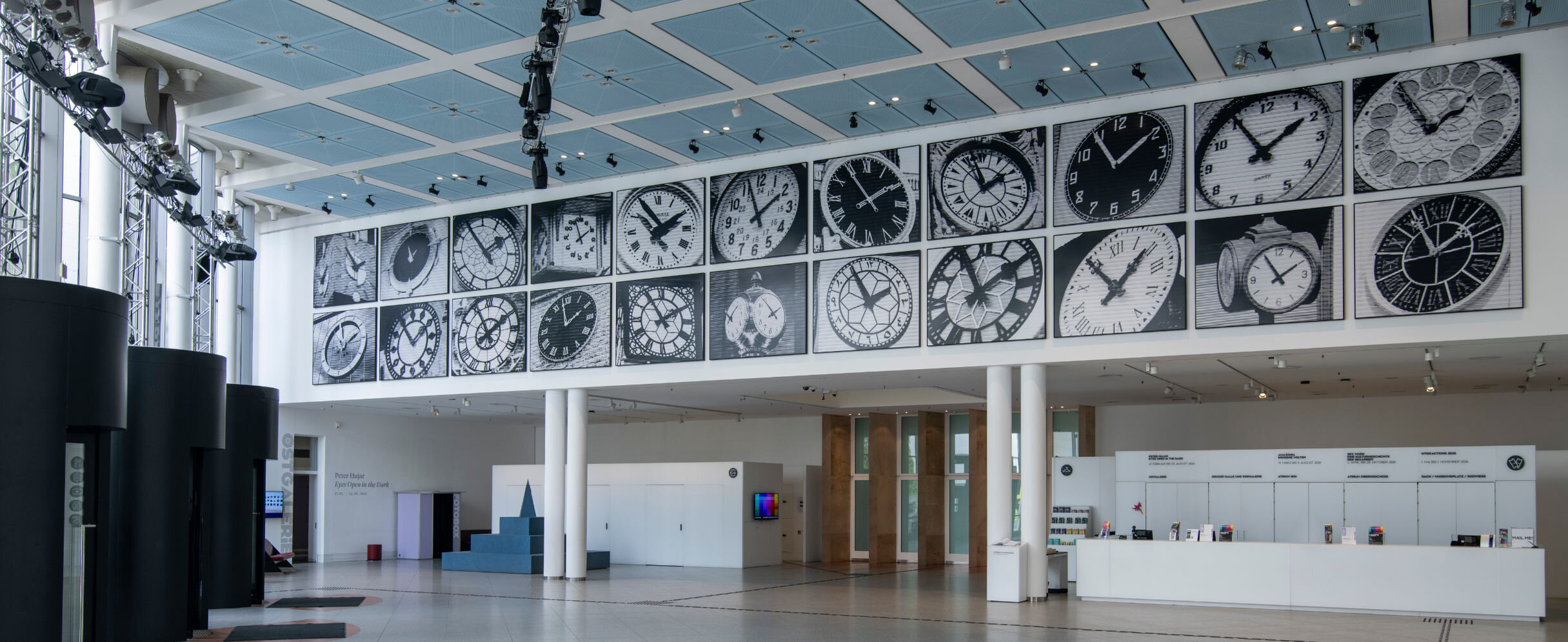
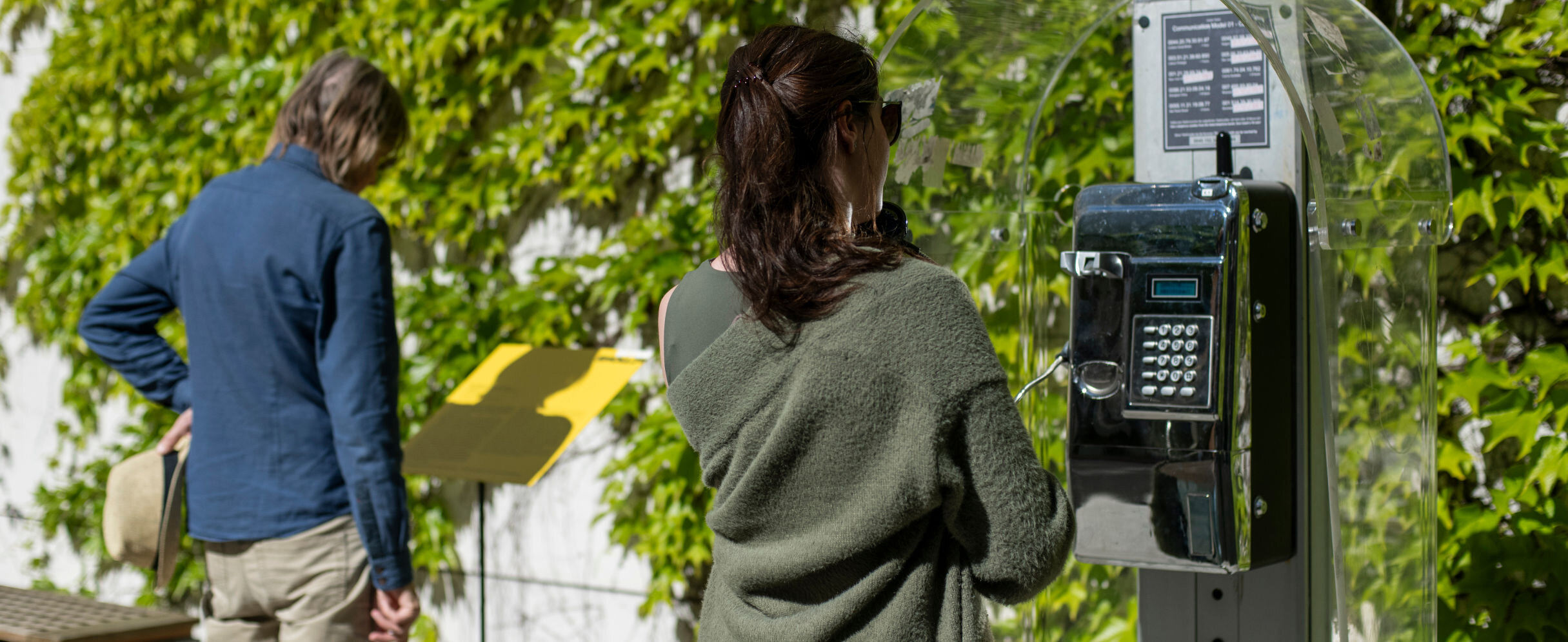
Images or communication models are evident not only in Bettina Pousttchi’s World Time Clock, with its globally standardised representations of the time at 13:55. Thomas Mader and Christine Sun Kim also explore methods of communication in Find Face and visualise American Sign Language (ASL). In doing so, they encourage reflection on perception and communication, as does Aletheia Kí Zoeÿ’s Illusionary Silence, which presents words in Braille using three large, colourful marshmallows. And with his phone booth Communication Model 01–Calling, Juergen Staack invites us to engage in a dialogue with an unknown outcome.
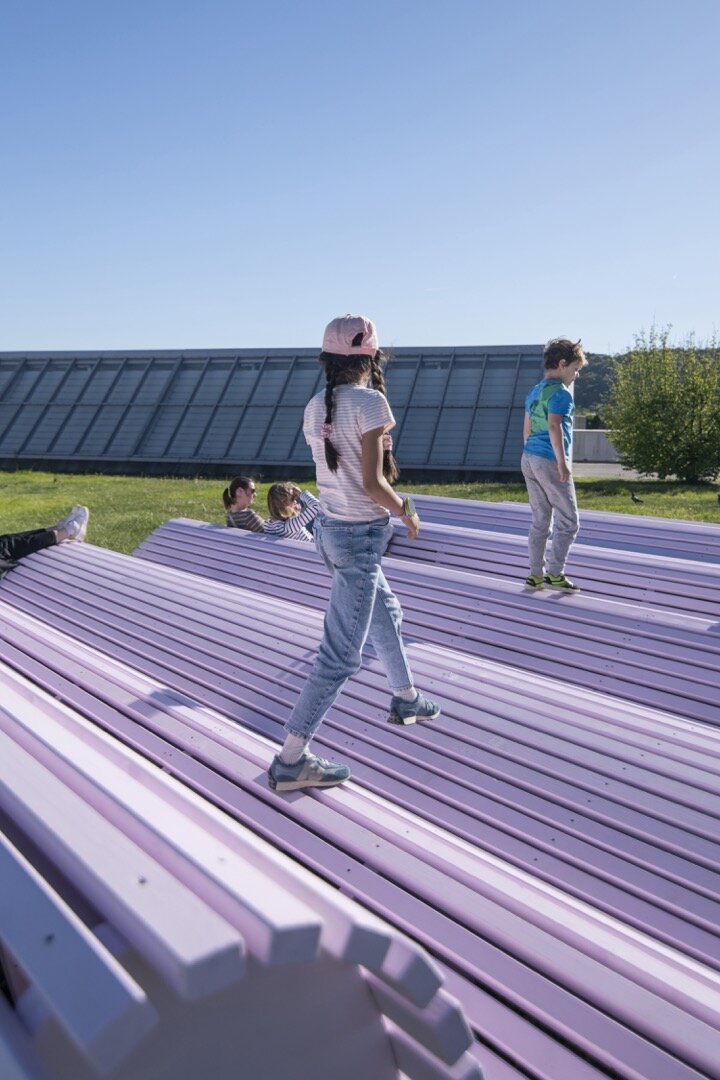
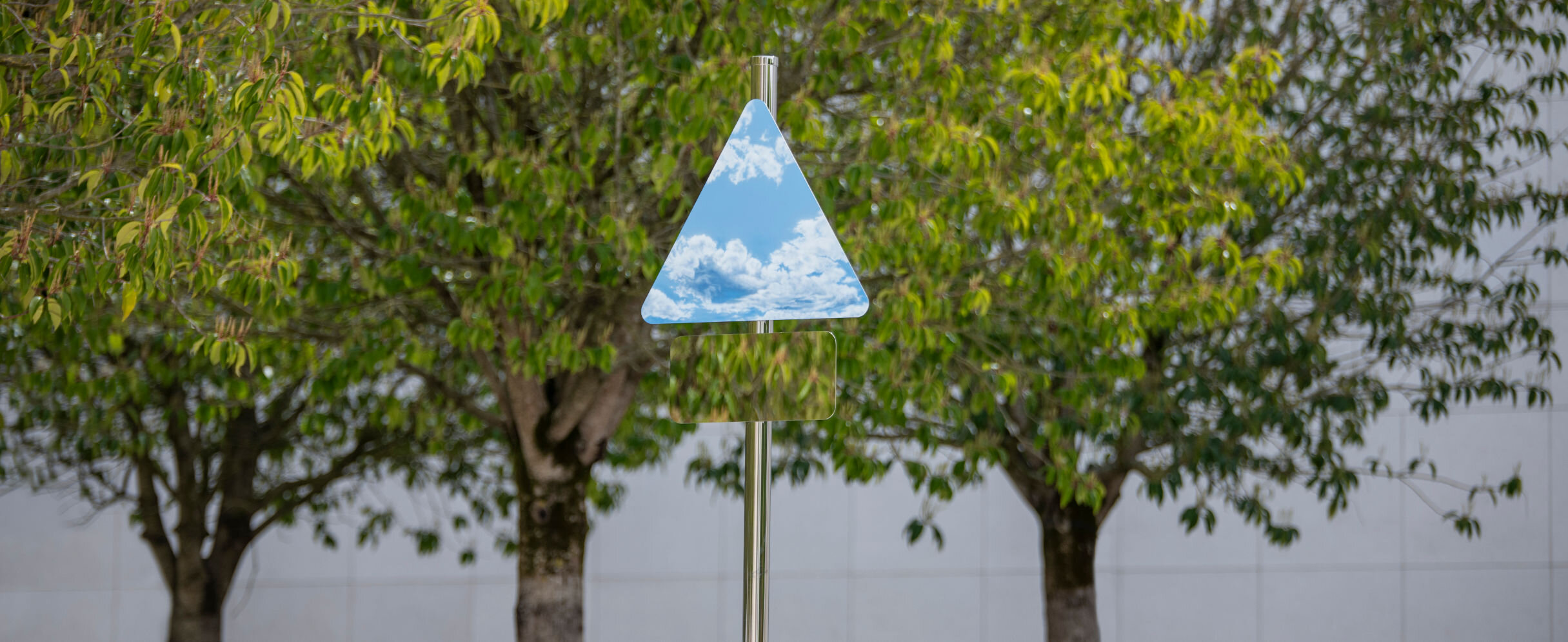
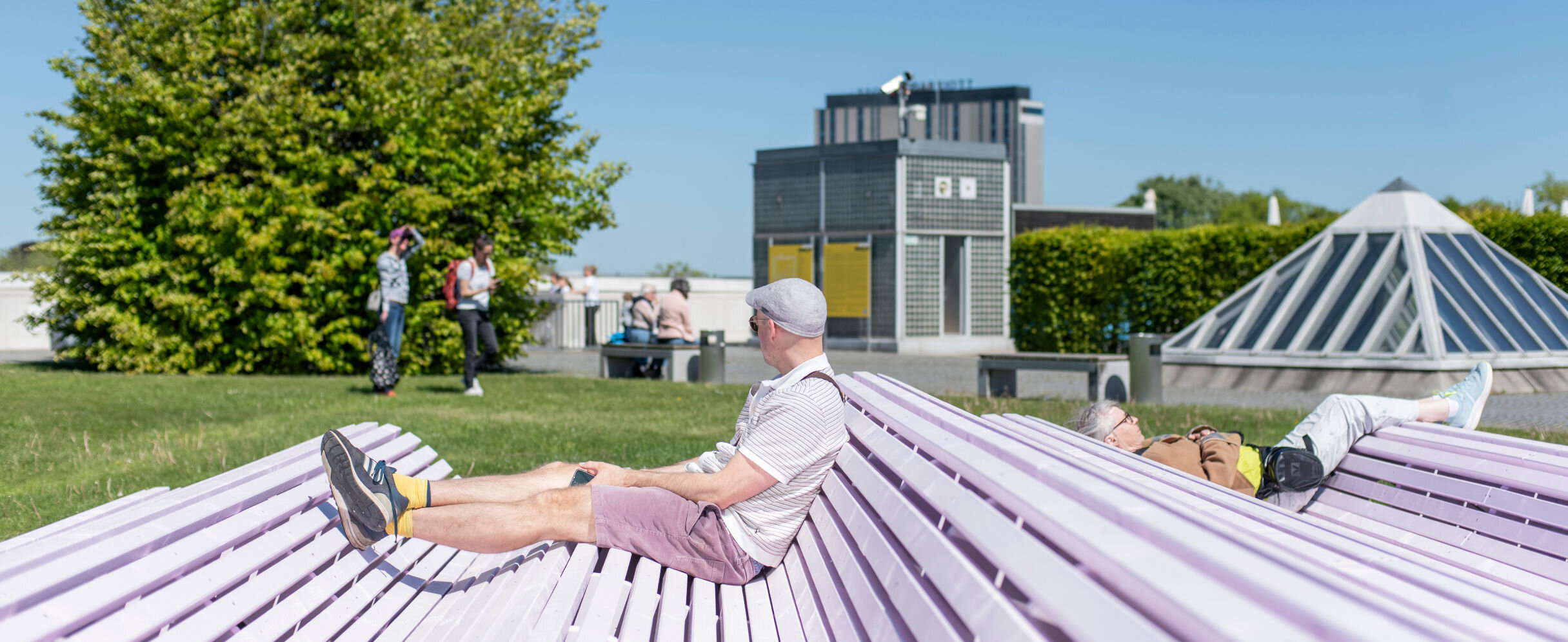
With the wavy Onda bench, Martin Pfeifle offers a place to linger – perhaps also to interact with others or with nature, a theme that is also reflected, quite literally, in the non-functional traffic sign, Camouflage, Fig. 8, by the artist duo Elmgreen & Dragset.
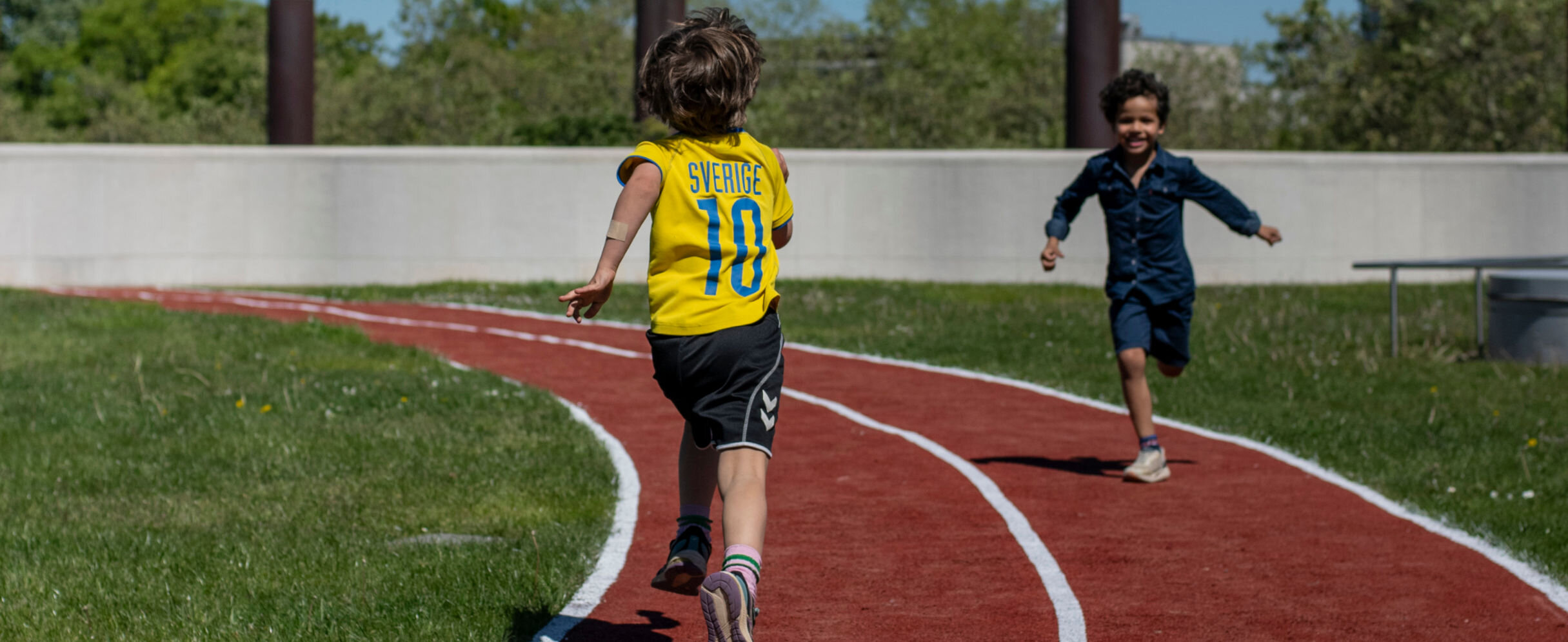
In her work run ran run, Natalie Brehmer reflects on moments of movement, physicality and urban space, weaving our architecture and own interactions into a poetic dialogue. And, in keeping with the theme of the year, the artist duo FAMED presents the statement – or rather the call to action – Trust People, which can both challenge and reinforce our trust.
All works or projects contain their own narrative or vision, which visitors can discover alongside the interactive elements. They demonstrate that openness serves both individual and shared experiences and fosters a sense of community, tolerance and sensitivity, in keeping with the motto ‘What we have in common’. In this way, behaviours and ways of thinking can be examined – sometimes in a playful manner.