


Sex Work
2 April to 25 October 2026
This exhibition contains explicit images of sexuality and physicality. Please decide for yourself whether you wish to visit the exhibition. We recommend a minimum age of 16 years.
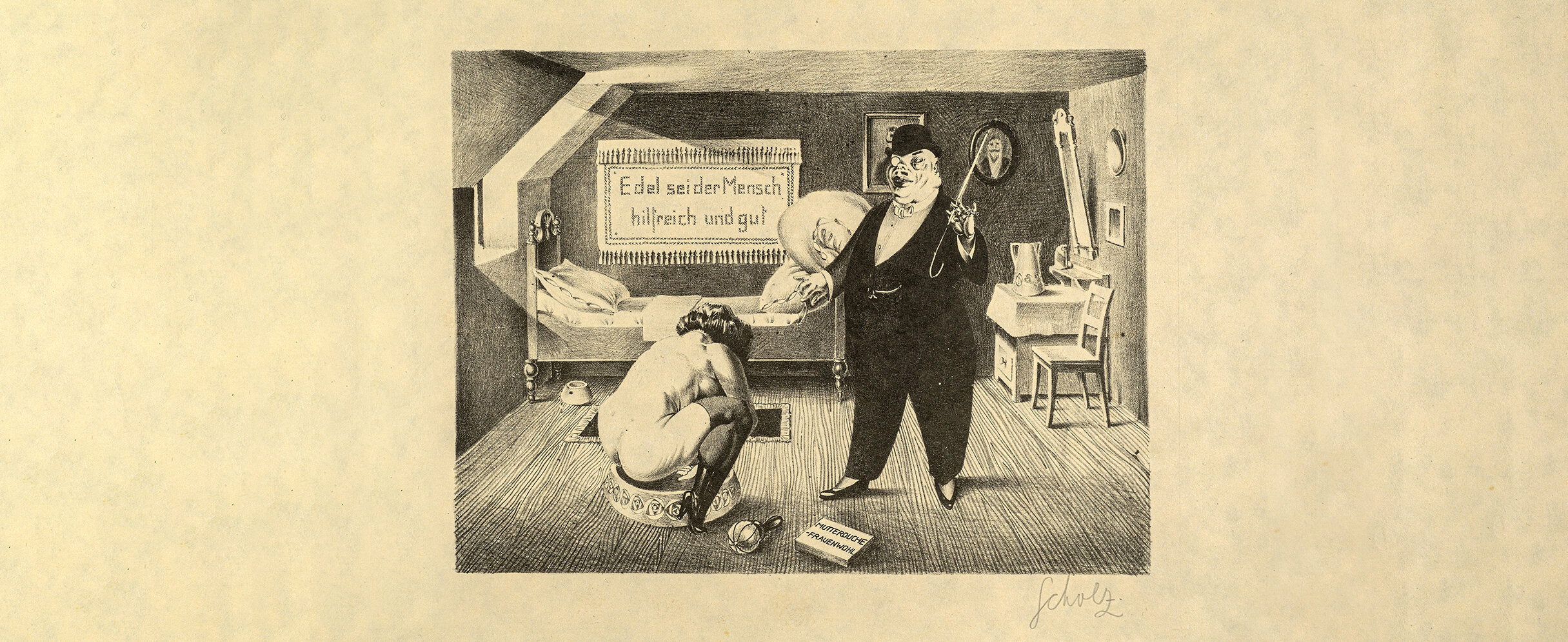
The history of sex work can be traced from well before ancient times to the present day. The prevailing image of humanity, the values that held sway, and who wielded power can all be seen in how society dealt with sex work. In some eras, it represented one of the few ways for women to generate an independent income. Its history has mostly been told from an external perspective. The exhibition SEX WORK tells this story differently: Together with a collective of sex workers engaged in research, the Bundeskunsthalle presents art, cultural history, and archival material, guided by a central principle: Nothing about us without us!
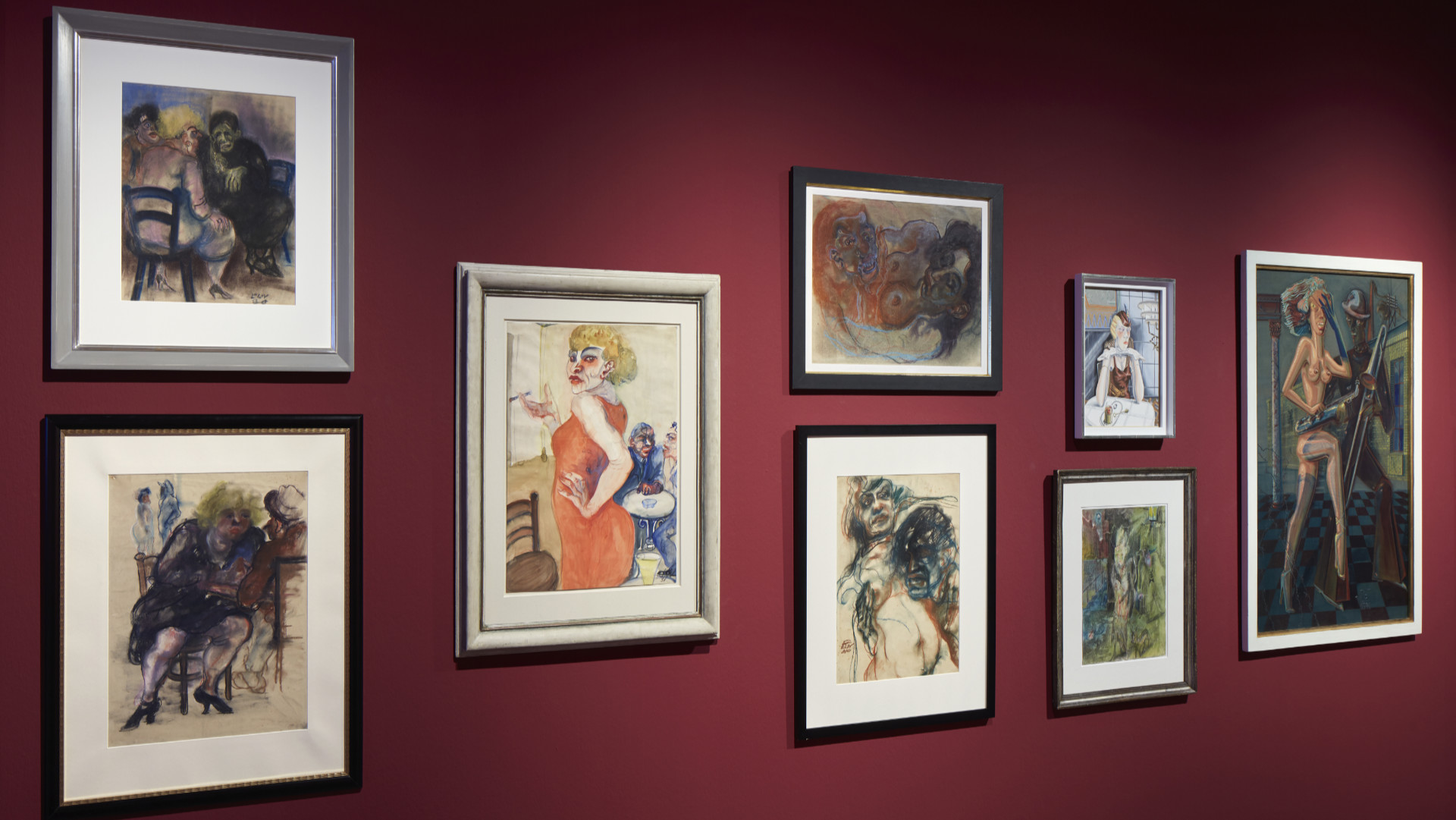
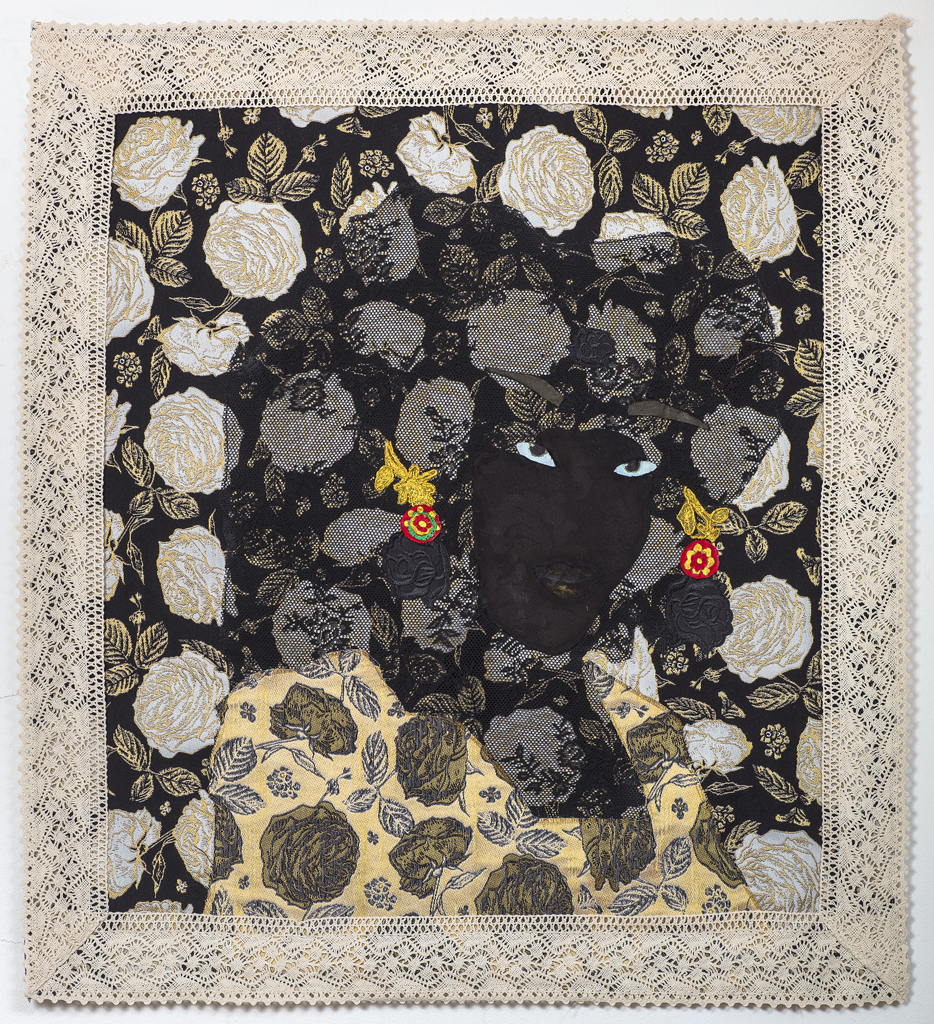
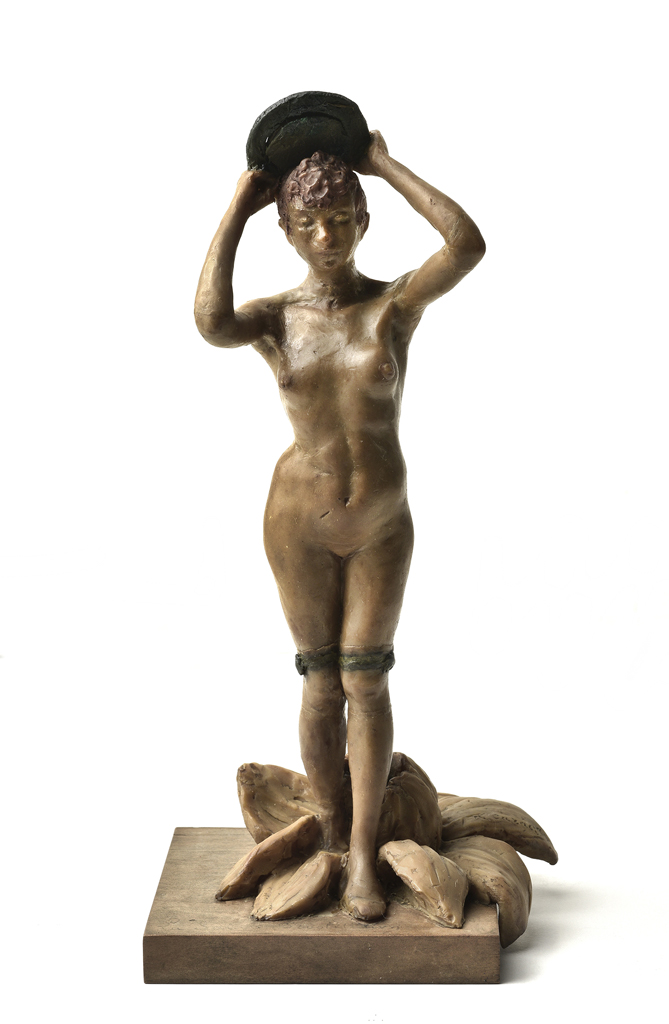
The exhibition sheds light on art and cultural history as well as contemporary socio-political issues. In the visual arts, hetaerae, prostitutes, courtesans, and nude dancers long played primarily a motif role, at best perceived as muses. The exhibition highlights the creative and artistic role that sex workers also play. To tell a cultural history of sex work means entering a territory permeated by moralizing and highly political discourses. Media and popular culture all too readily resort to one-dimensional stereotypes when portraying sex workers. Public debate oscillates between moral condemnation and positions that categorically classify all forms of sex work as exploitation. The terms used in the context of sex work have always reflected social conditions, power structures, and gender orders. While historical terms like "whore" or "prostitute" primarily marked a moral stigma, the term "sex work" focuses on the aspect of gainful employment and detaches it from a fixed identity. Created in collaboration with sex workers, the exhibition offers historical and contemporary insights into sex work as well as perspectives on labor and human rights.
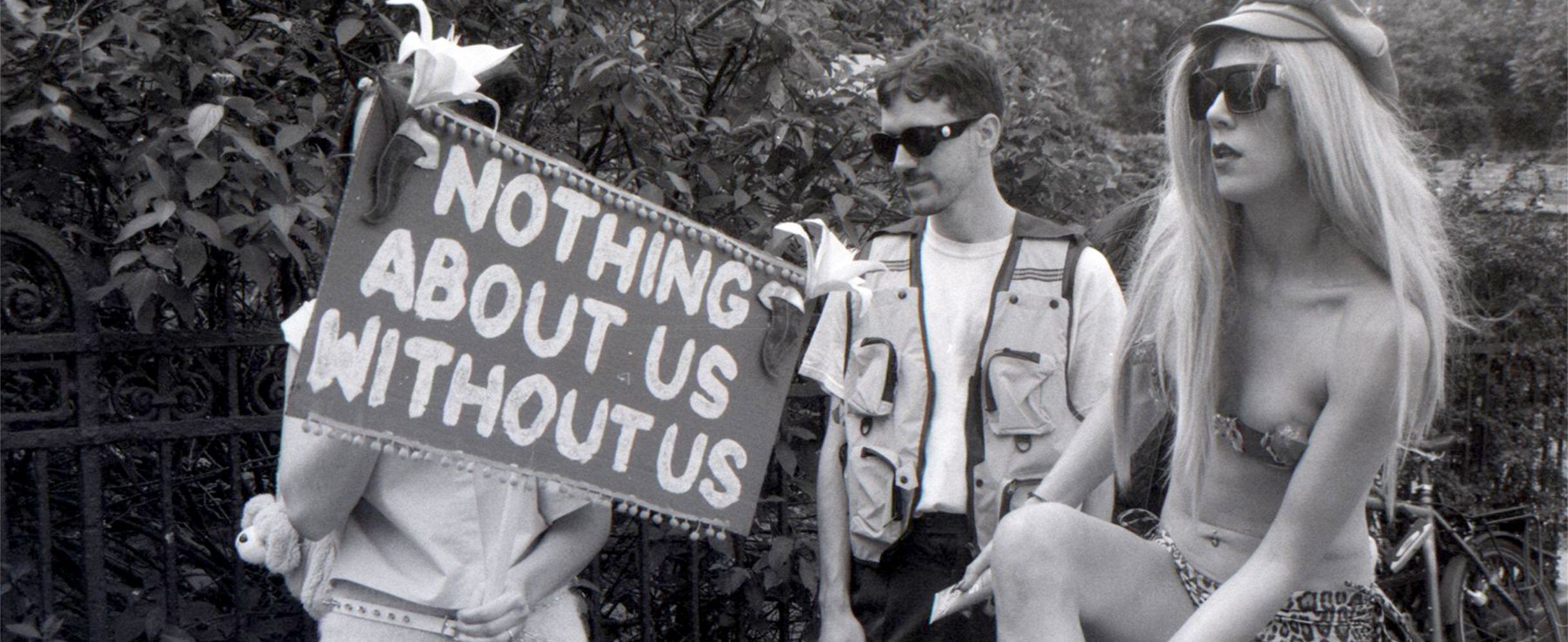
The central principle: Nothing about us without us!
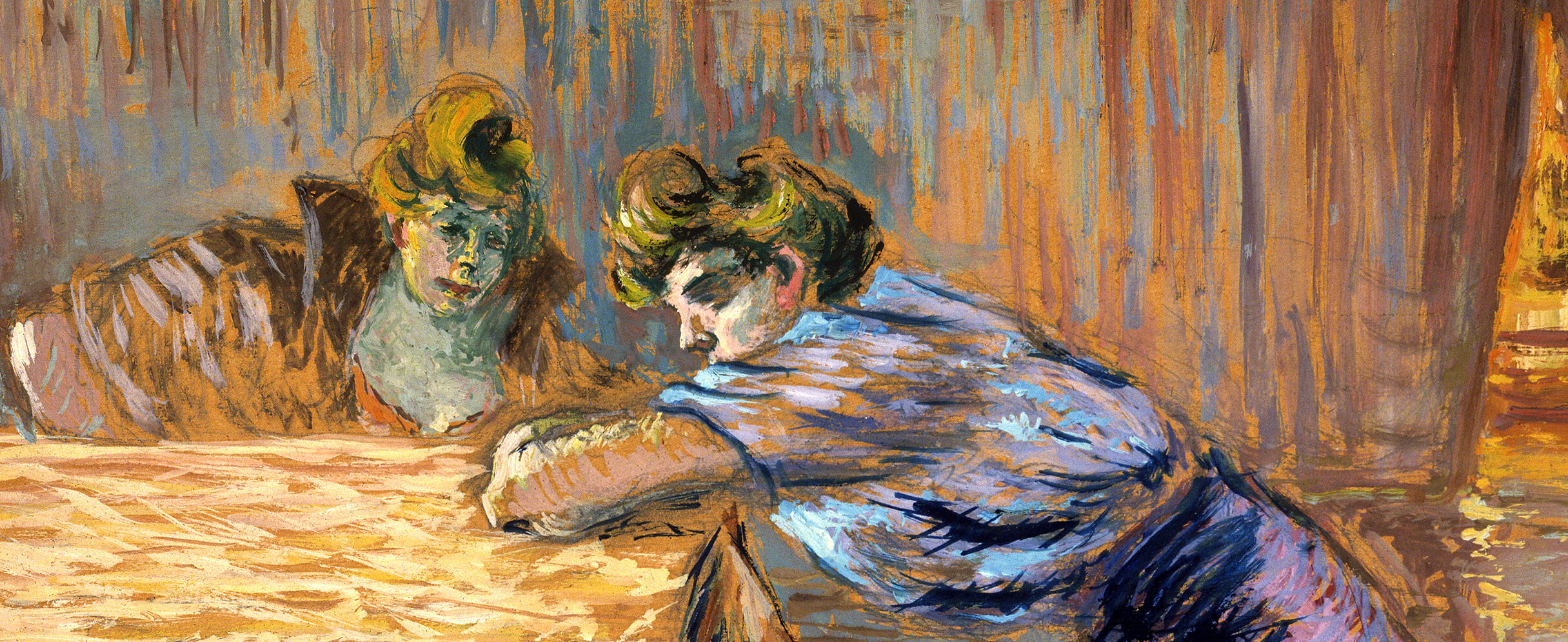
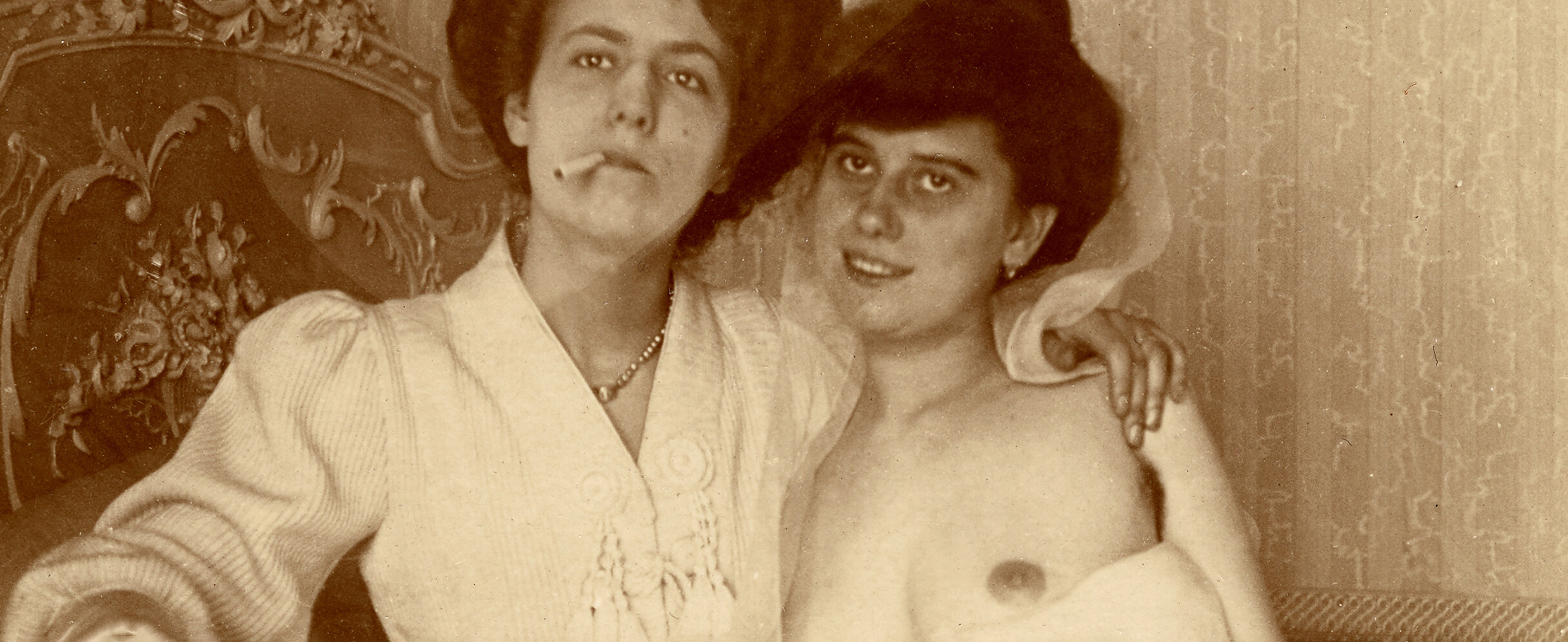
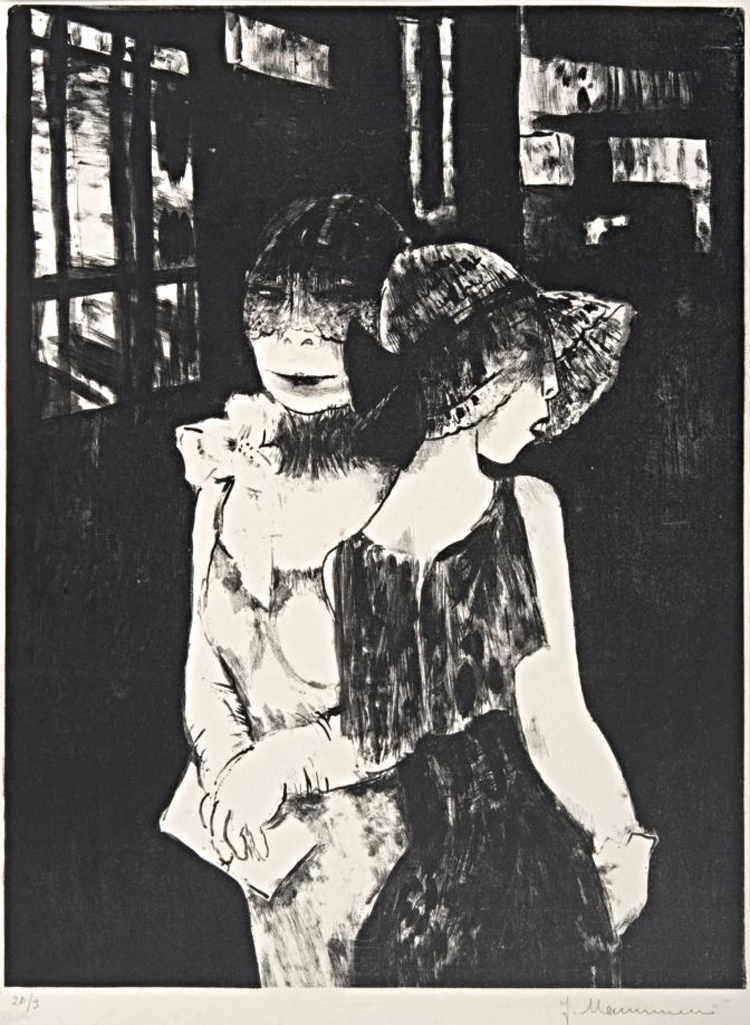
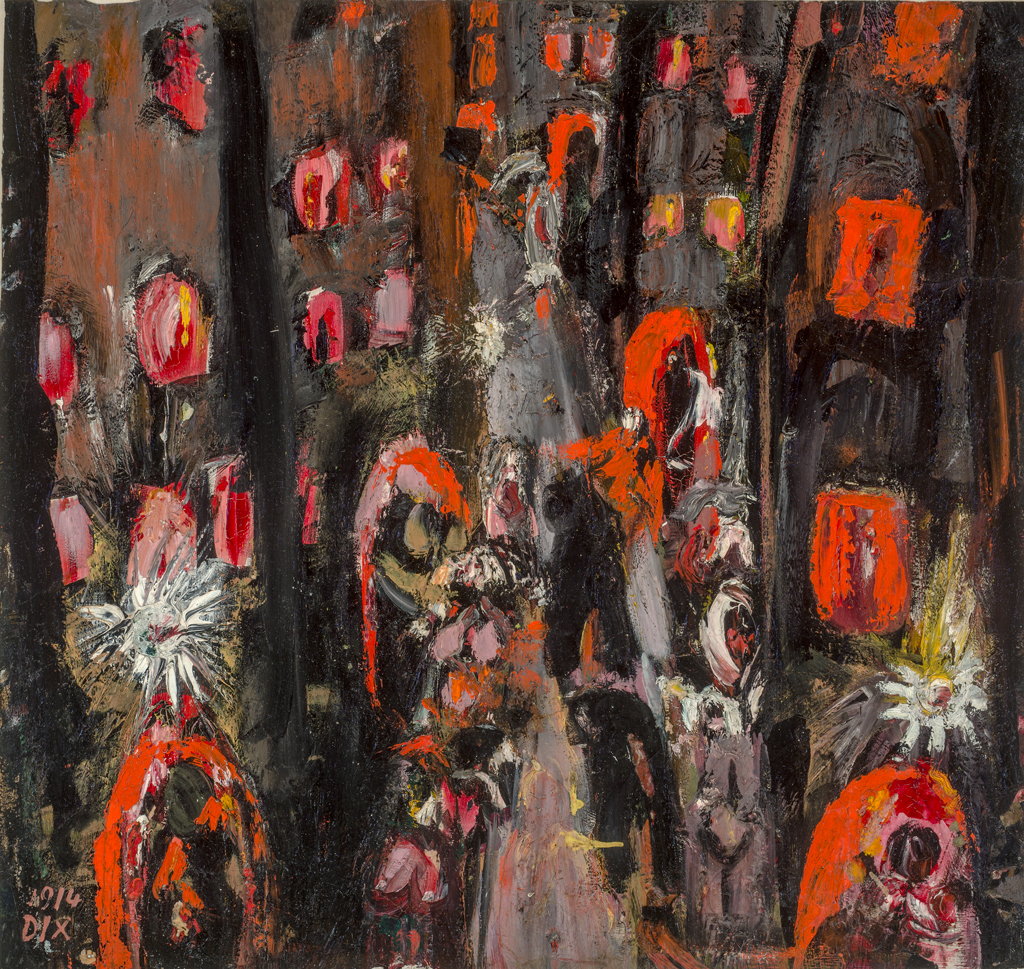
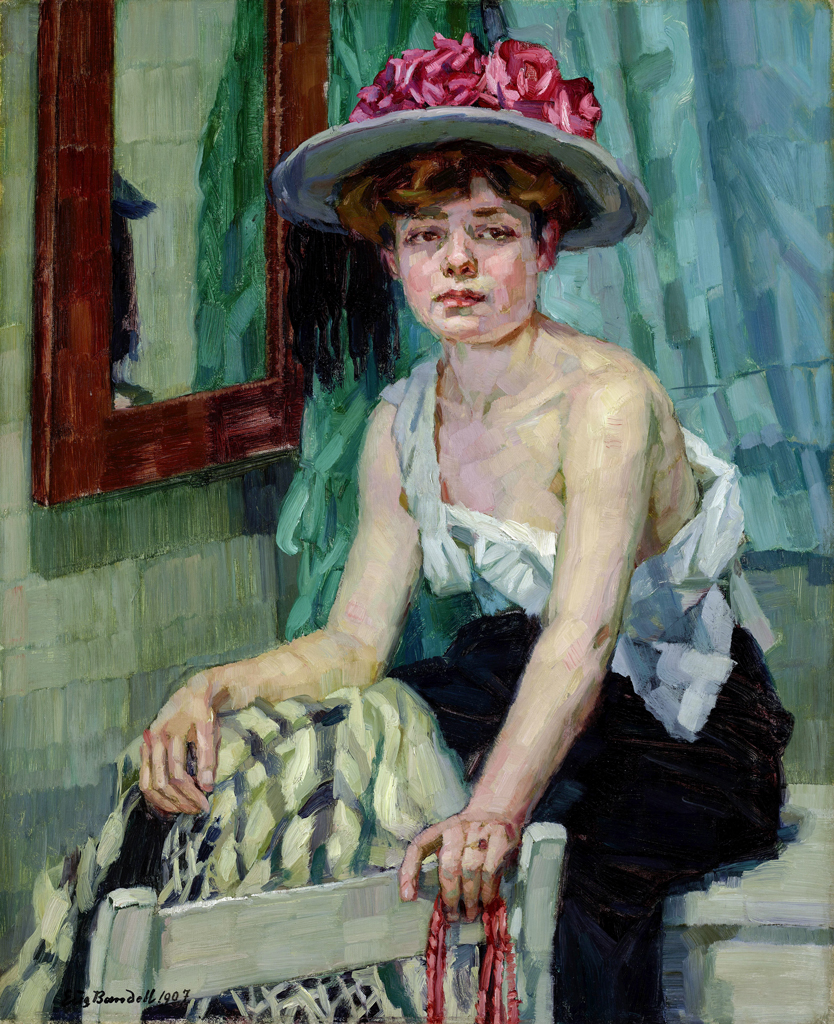
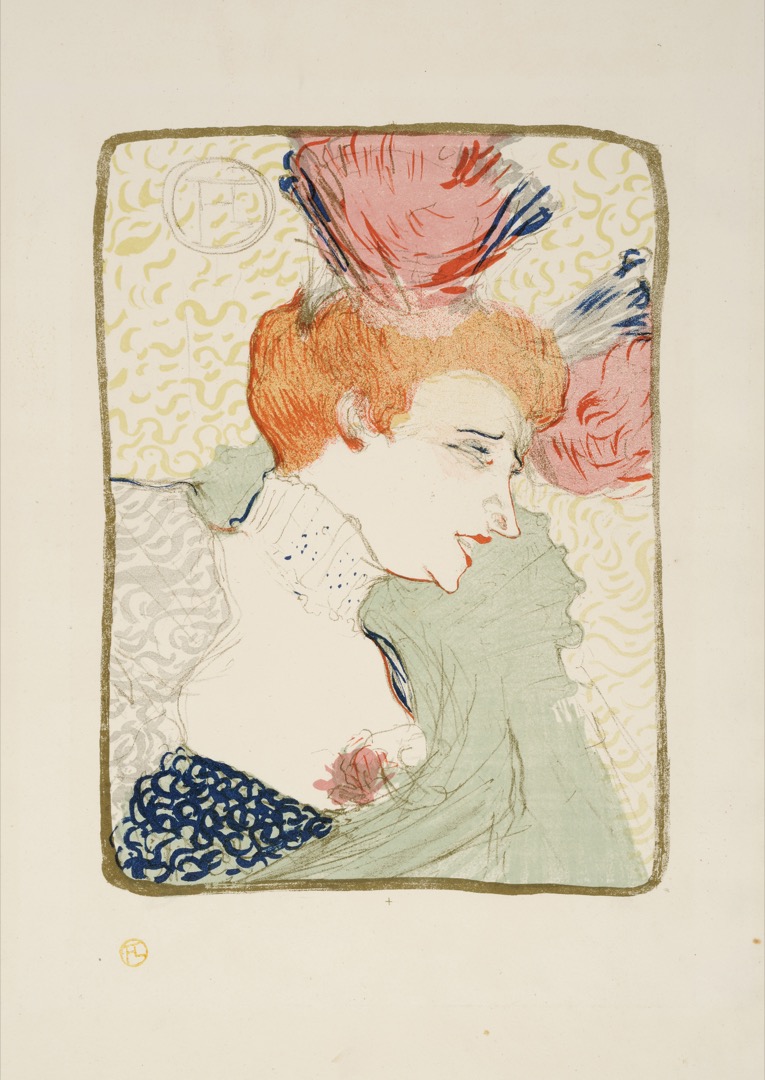
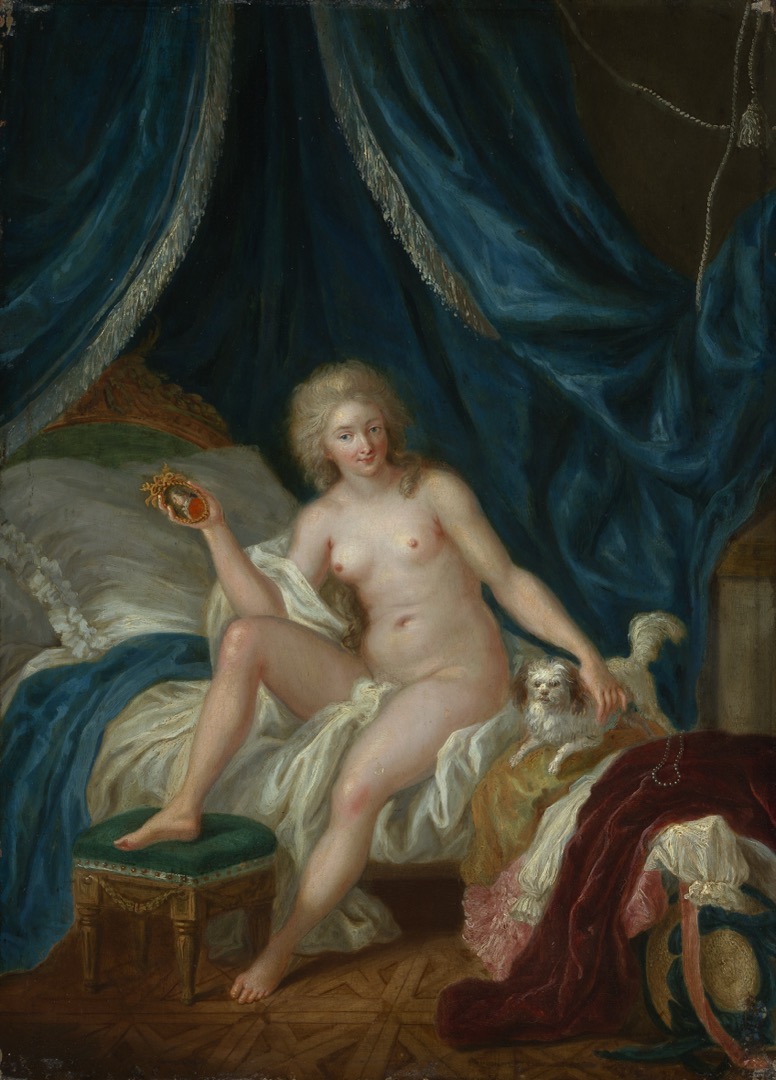
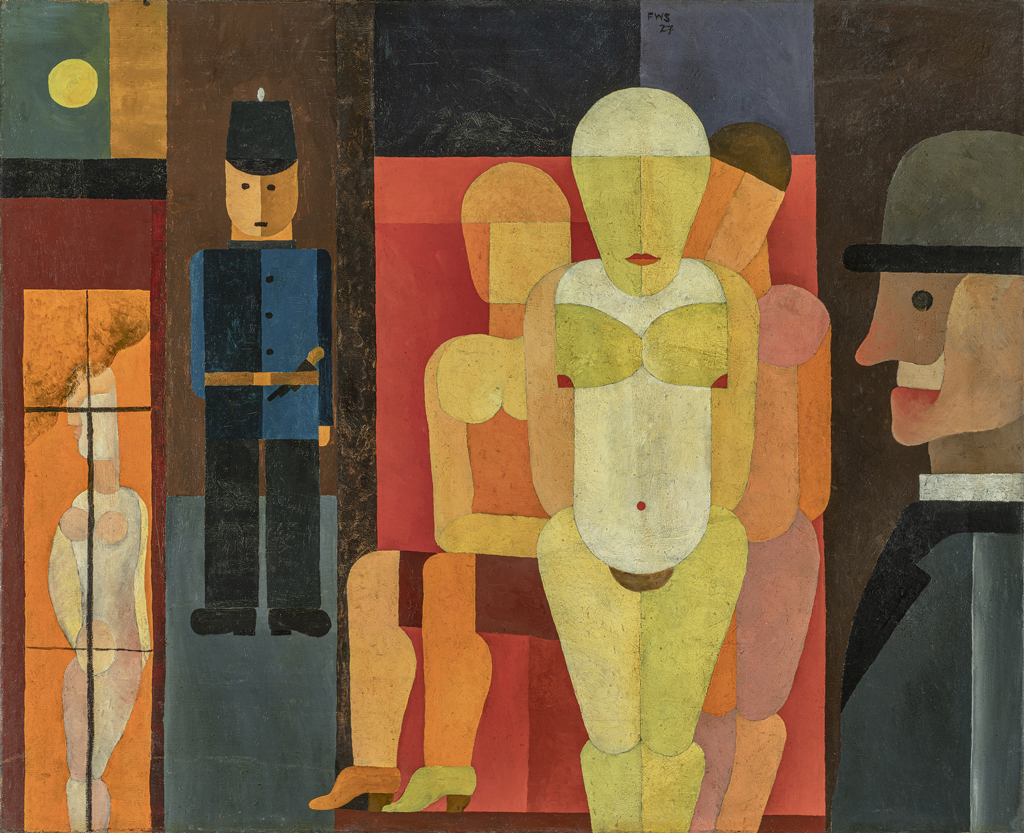
The history of sex work is characterized by a complex interplay of restriction, persecution, tolerance, and liberalization. In the 17th century, prostitutes were a common motif in Dutch genre painting—serving as a projection screen for erotic fantasies or a mirror reflecting moral concepts. The close connection between trade, migration, and sex work was not a marginal phenomenon, but rather an expression of structural changes in urban spaces. In 19th-century Paris, too, art and eroticism were closely intertwined: wealthy men expected sexual favors from opera dancers in return for their "patronage." In the nightlife of major Western metropolises, a new, libertarian spirit emerged from 1900 onward, with which artists, intellectuals, and the bohemian set rebelled against conservative society. In 1920s Berlin, amidst glitter, smoke, and jazz, a brief dream arose that also gave women and queer people hope for greater rights—until the National Socialists violently destroyed this diversity.
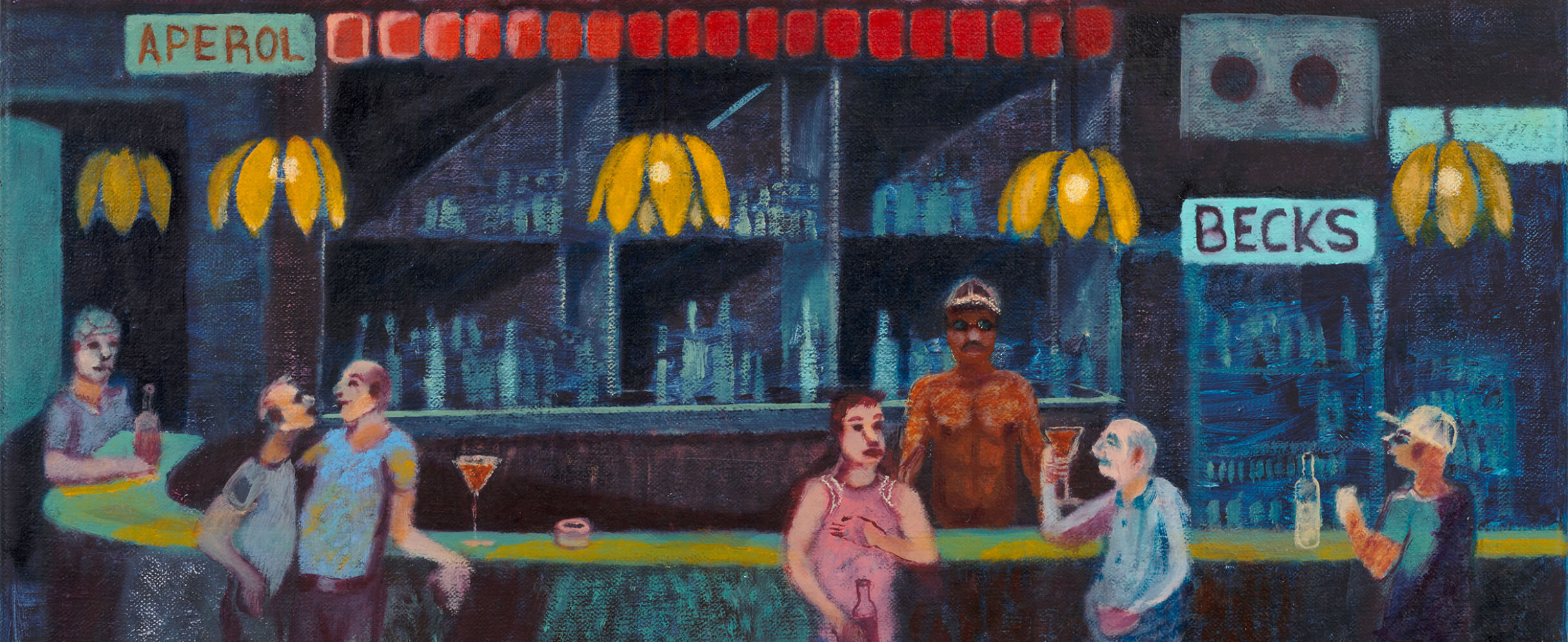
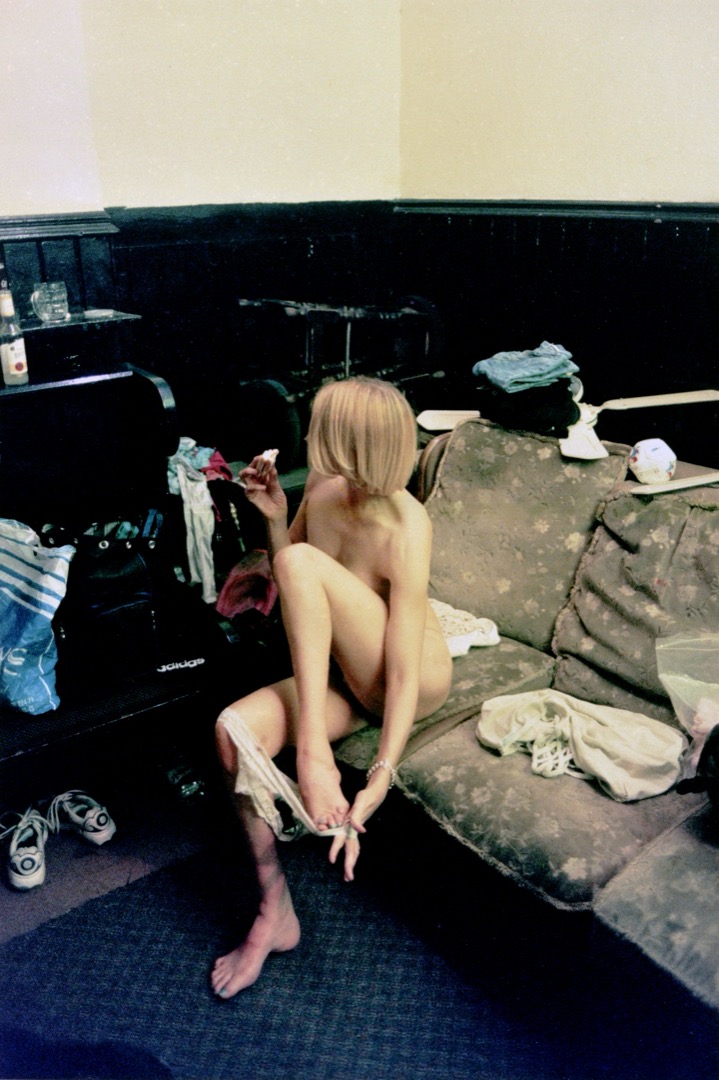
Among those persecuted and murdered in concentration camps under National Socialism were also alleged or actual sex workers. Since the 1980s, sex workers have increasingly made their voices heard. Restrictive measures and public stigmatization in the wake of rising police violence, gentrification, and the AIDS crisis led to protests and organized resistance—often in solidarity with the queer community. Trans* sex workers were at the forefront of the queer civil rights movement. For sex workers, this experience of community is crucial for developing strength and independence. Spaces where experiences and trauma can be discussed without being reduced to a victim role create self-efficacy and protection. This is the subject of many of the objects and narratives in the sex worker archive Objects of Desire. The personal stories revolve around love, joy, and shame, fear and frustration, as well as the everyday drudgery of work. The exhibition invites visitors to take a look inside these rooms – and to gain new perspectives on a topic shaped by prejudice and taboos.
#S3XWORK
Plan Your Visit
Gallery

Contact & Partners
Curators
Johanna Adam
Ginger Angelica Rose
Ernestine Pastorello
Maximilian Reifenröther
Objects of Desire
Press Officer
Media Partners

Cultural Partners

Cooperation Partners
Sex Work: A Cultural History is a further development of the exhibition With Legs Wide Open – A whore's ride through history, Schwules Museum Berlin, 2024